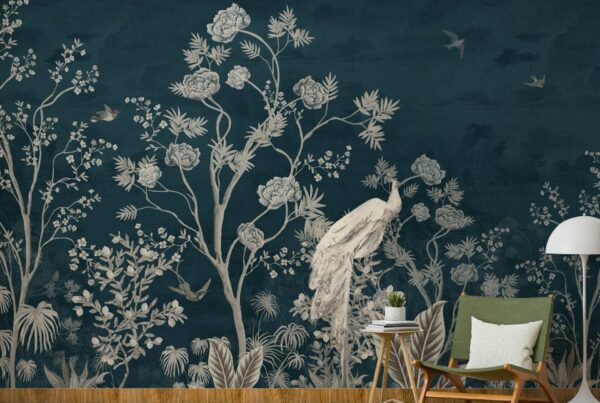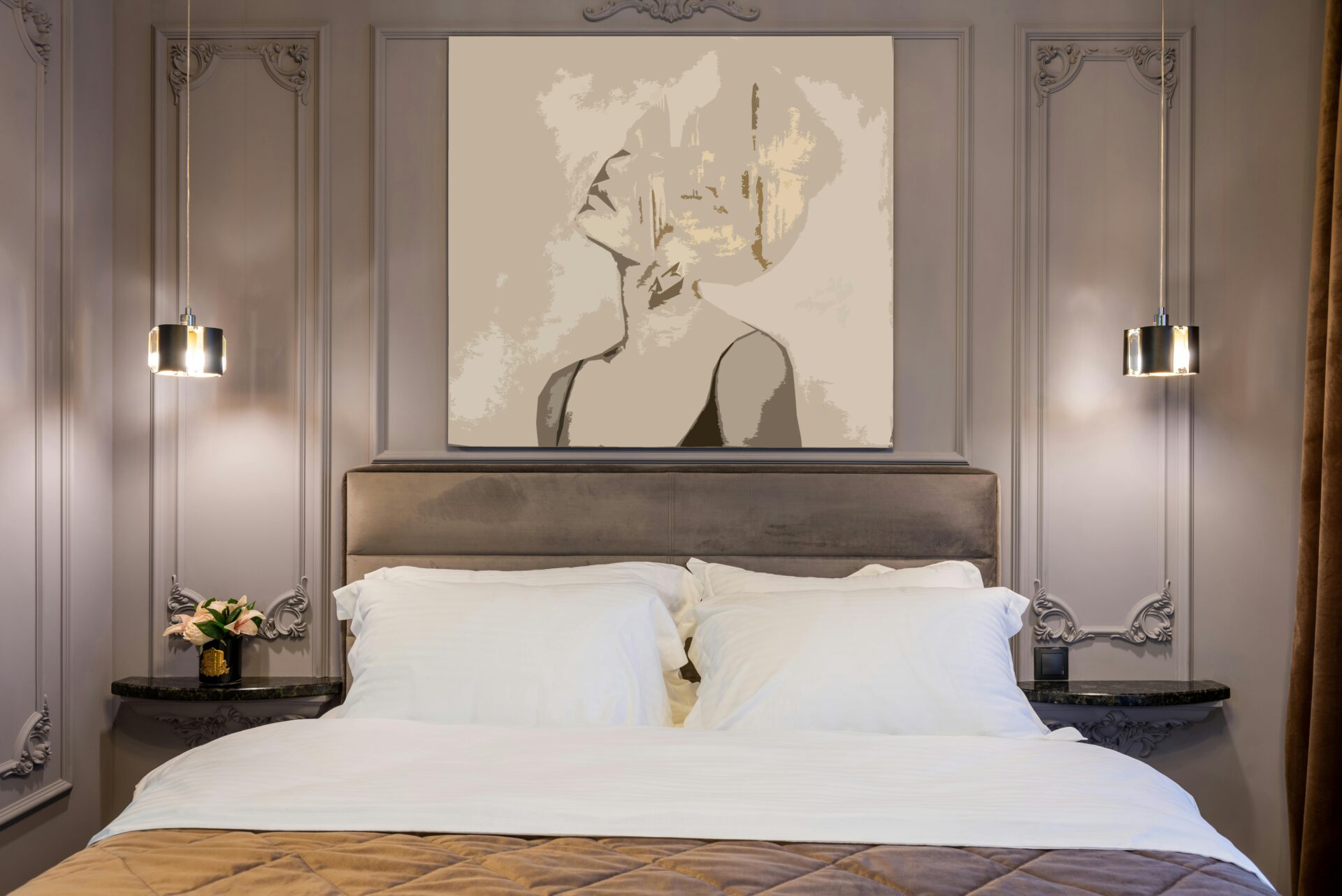
A blank wall can make a room feel unfinished, but choosing what to put there is not always as simple as finding an image you like. Size, placement, furniture, and even the amount of open space around the artwork can change how the finished room feels.
Custom canvas prints give you plenty of room to experiment. You can turn a favorite photograph into a statement piece, build a gallery wall from family memories, or use artwork to give different areas of an open-plan room their own identity.
If you are looking for practical canvas wall art ideas, start with the room rather than the print. Look at the wall, the furniture nearby, and how you use the space. From there, it becomes much easier to decide what kind of artwork belongs there.
Here are 10 ways to use canvas prints for home decor without making the room feel overly styled.
1. Bring Focus to Your Space
You do not need to fill every wall with several pieces of artwork.
Sometimes one large canvas is enough.
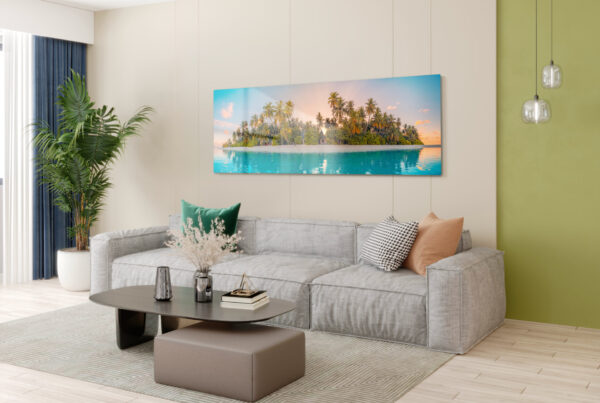
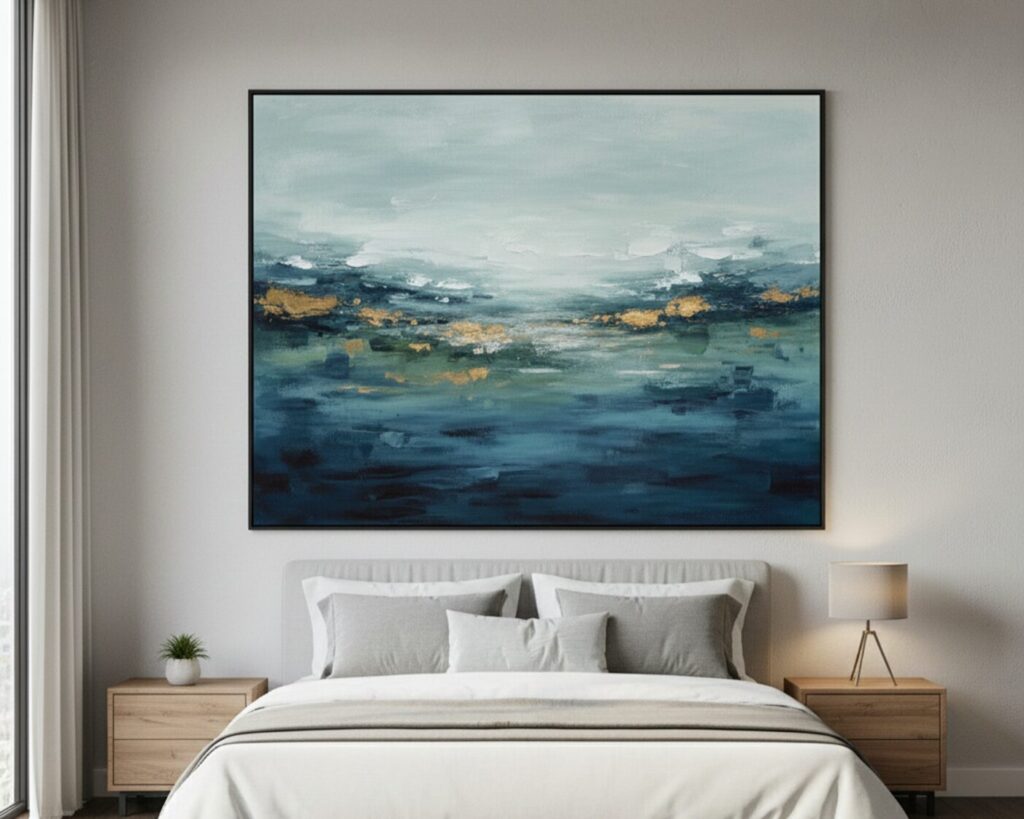
A landscape above a sofa, an abstract piece over a bed, or a favorite photograph in an entryway can give the room something for the eye to settle on.
Pay attention to scale. A small canvas floating above a wide sofa can feel disconnected, while a larger piece usually looks more intentional.
If one oversized image does not suit the artwork, a two- or three-panel arrangement can create a similar effect.
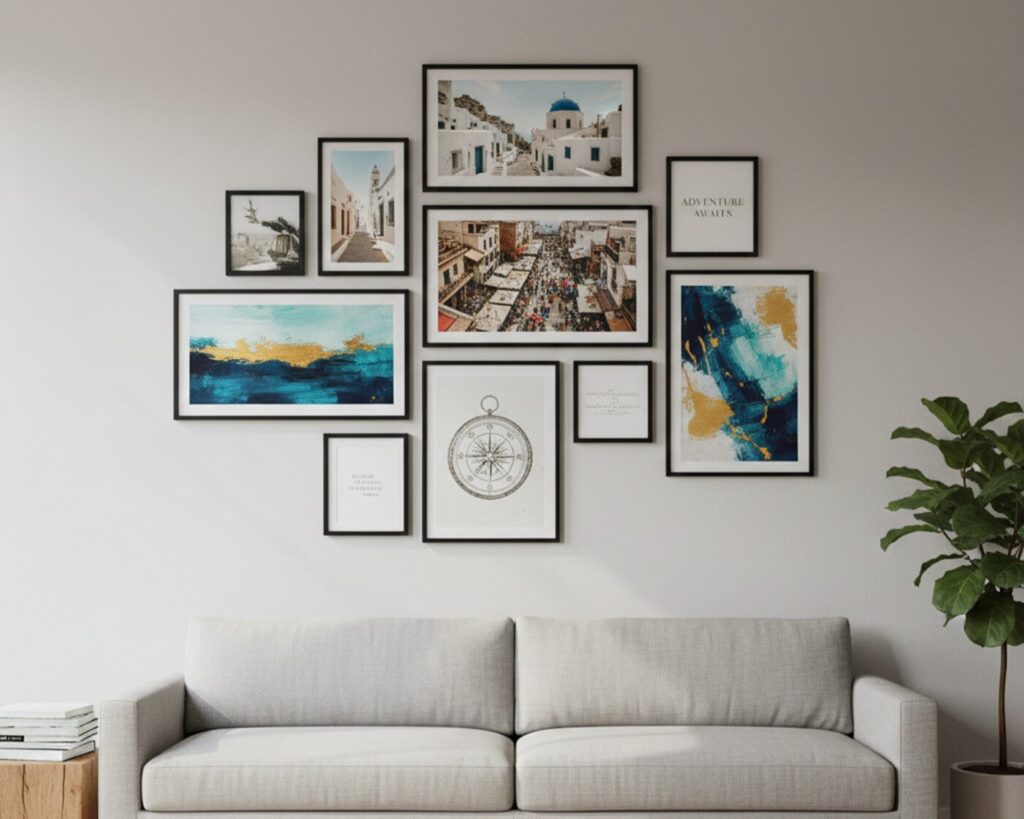
2. Create a Wall That Tells Your Story
Gallery walls work best when there is some connection between the pieces.
That connection does not have to be obvious. You might use family photographs from different years, images from places you have traveled, artwork in similar colors, or a mixture of canvas and Fine Art Paper Prints.
The pieces do not need to match perfectly.
In fact, mixing sizes often makes the wall feel more personal. Just keep the spacing fairly consistent so the arrangement does not look accidental.
One practical tip: arrange everything on the floor before hanging it. It is much easier to move a print a few inches there than after it is already on the wall.
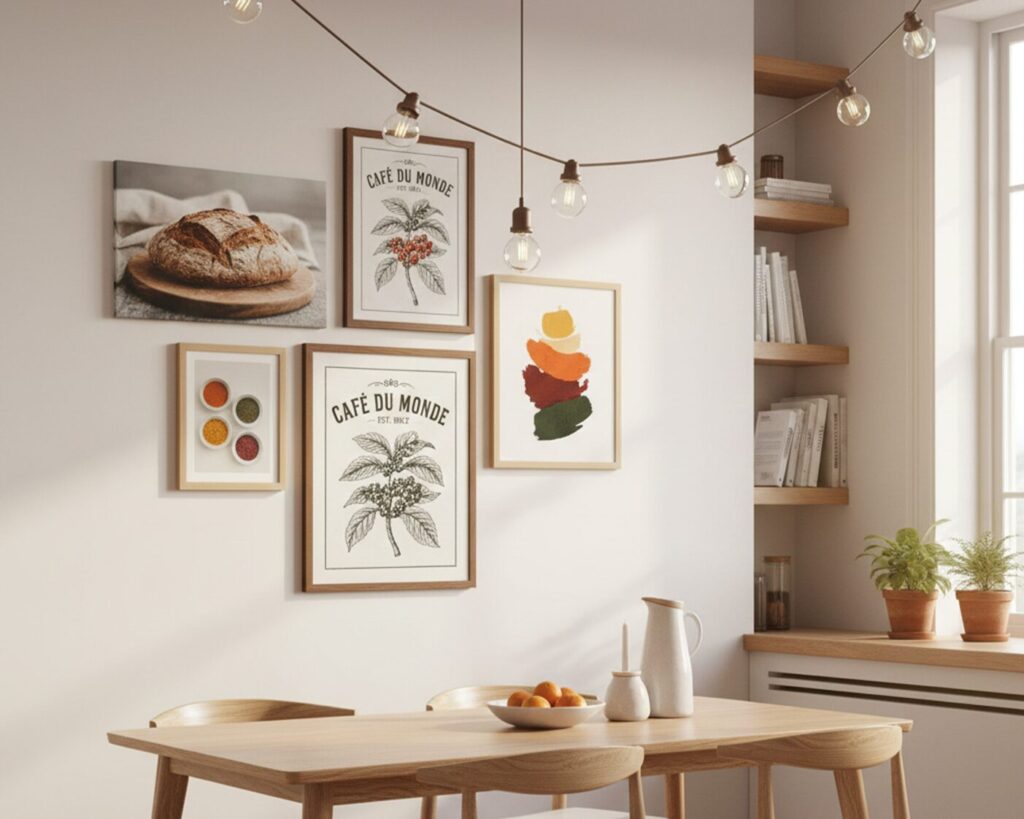
3. Bring Warmth to the Kitchen and Dining Area
Kitchens and dining rooms often get overlooked when it comes to artwork.
They do not have to be filled with food-themed signs either.
A travel photograph, botanical print, vintage illustration, or family image can make the space feel warmer without turning it into a themed room.
Smaller canvases can work particularly well beside a dining nook, above a sideboard, or on a narrow wall where a large print would feel cramped.
Choose something you will enjoy seeing regularly. These are spaces you probably use every day.
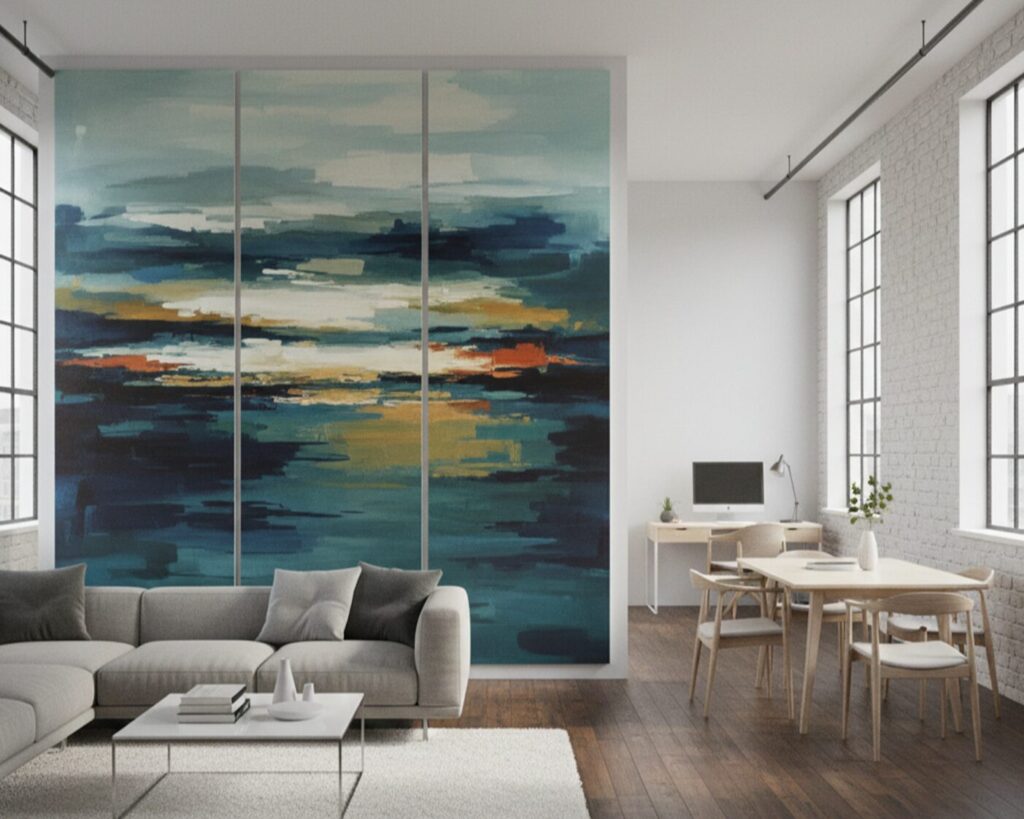
4. Use Canvas to Define Open Spaces
Open-plan spaces are useful, but sometimes everything starts to blend together.
Artwork can help create visual boundaries.
A large canvas behind the sofa can make the living area feel separate from the dining space, while another piece near the table can give that area its own character.
The artwork does not need to match exactly. Keeping a similar color palette or photographic style is usually enough to make both areas feel like they belong in the same room.
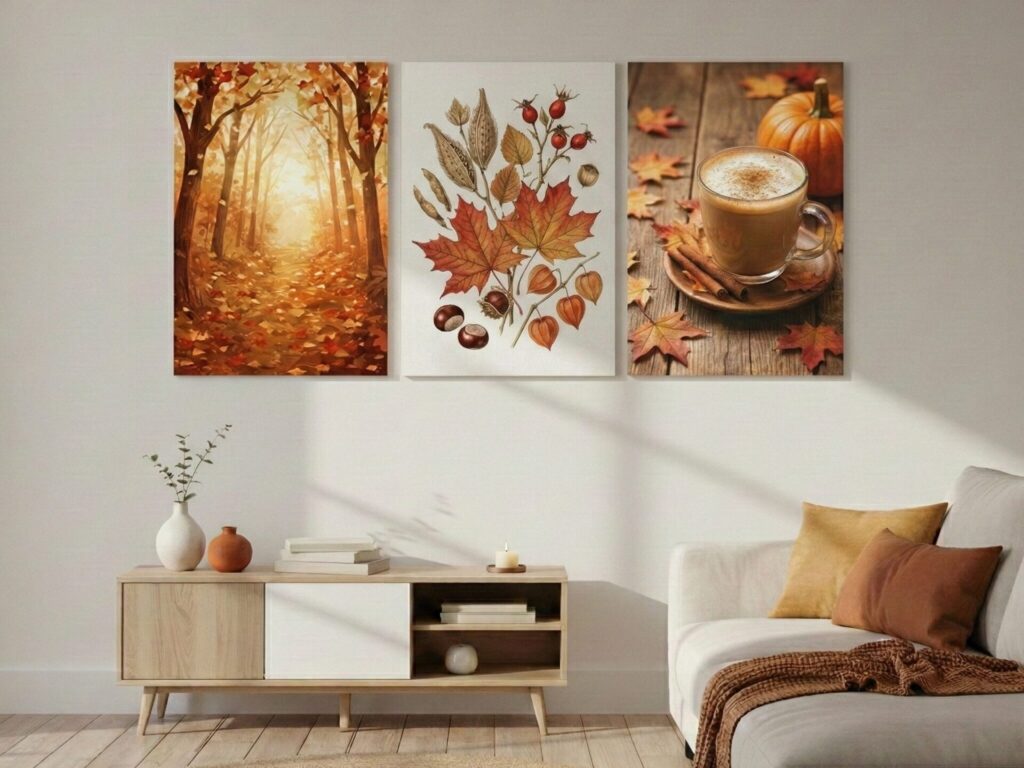
5. Refresh the Room With Seasonal Artwork
You do not need to replace cushions, rugs, curtains, and accessories every time the season changes.
Sometimes changing the artwork is enough.
Lighter landscapes, botanicals, or brighter photography can freshen up a room in spring. Warmer tones can work well in autumn, while quieter imagery may suit winter.
If you enjoy changing your décor, keep a few regular spots where artwork can easily be rotated.
That way, you can refresh the room without starting over each time.
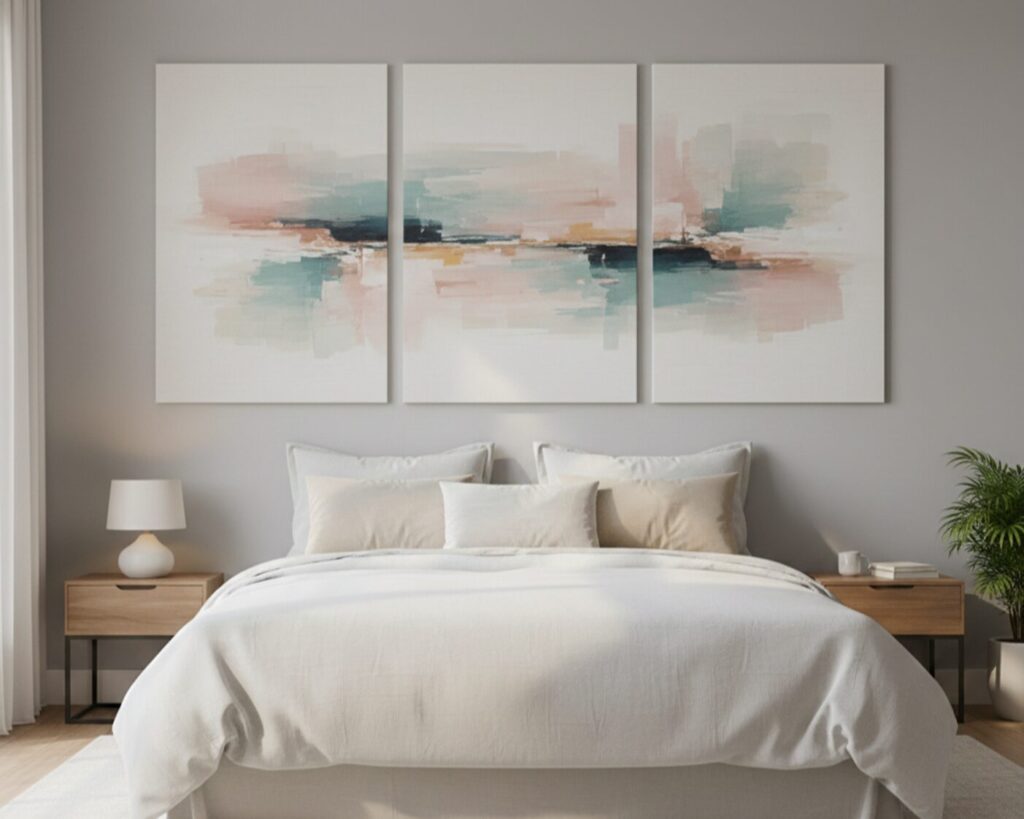
6. Create an Art-Focused Headboard
The space above a bed is often one of the largest open walls in a bedroom.
A wide canvas can give that area a finished look without adding a bulky headboard.
For bedrooms, it’s usually best to keep the artwork fairly calm. Landscapes, soft abstracts, muted photography, and simple compositions tend to work better than something visually intense.
You can also use two or three related canvases if you prefer a more balanced arrangement.
Just leave enough space around them. Artwork above a bed should feel relaxed, not squeezed into the wall.
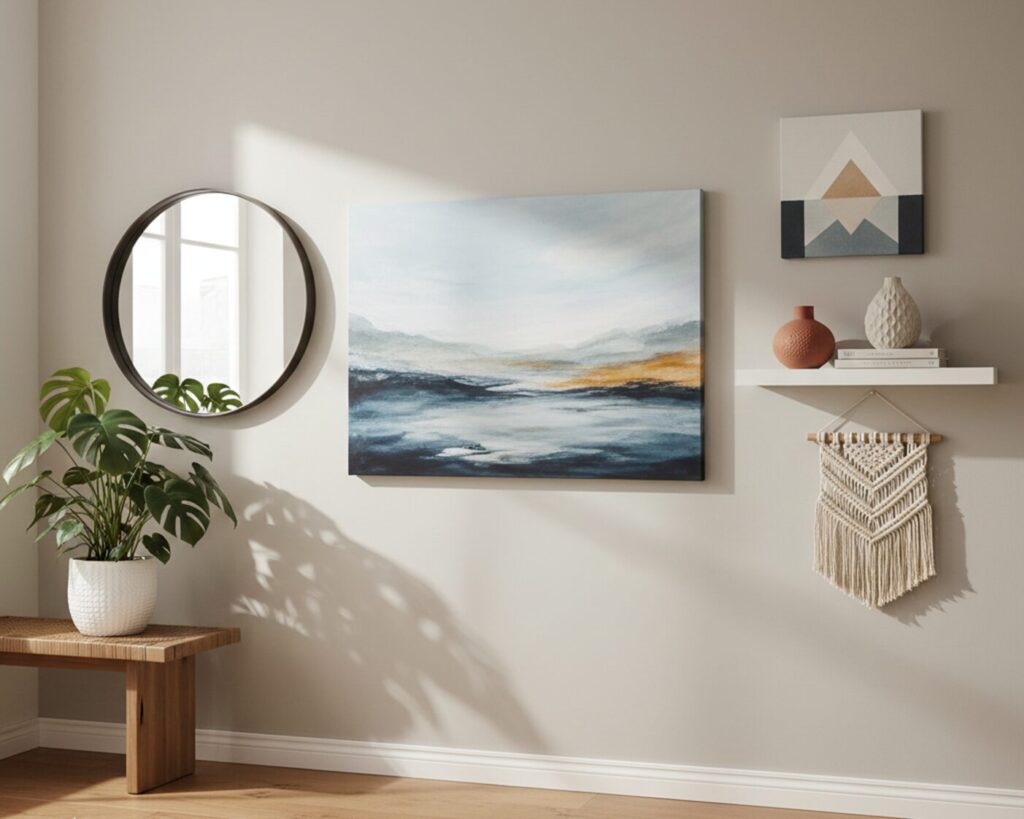
7. Mix Canvas With the Rest of Your Décor
Canvas art does not need to be the only thing on the wall.
It can sit comfortably beside mirrors, shelves, plants, lighting, ceramics, or pieces you have collected over time.
This is often what makes a room feel lived in rather than staged.
Let the canvas act as the main piece, then build around it with smaller objects.
And do not be afraid of empty space. You do not have to fill every gap. A little breathing room can actually make the artwork stand out more.
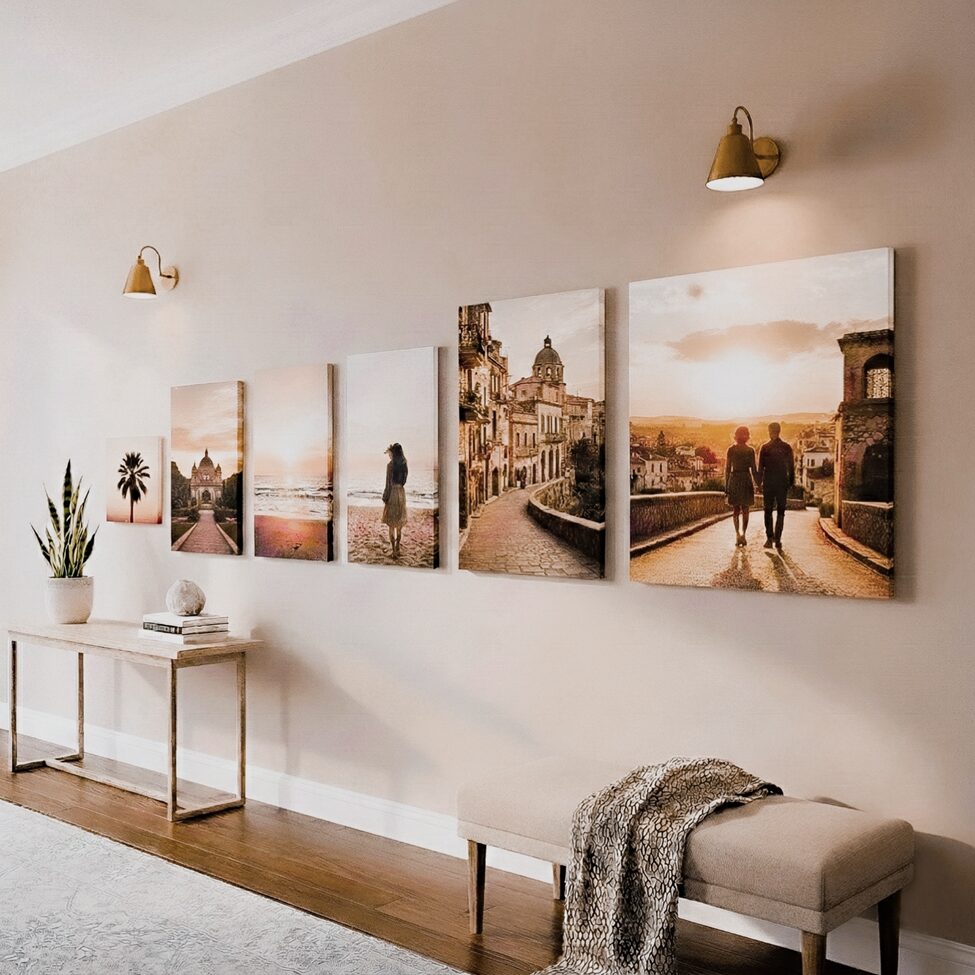
8. Turn Your Photos Into a Visual Timeline
Hallways and staircases are perfect for personal photographs because you usually see them from fairly close range.
Try turning one into a timeline.
You could use family milestones, holidays, travel photographs, graduation pictures, or images from different places you have lived.
Keeping similar print sizes makes the display easier to follow, but you can also mix sizes if the spacing stays consistent.
The nice thing about this idea is that it does not need to be finished all at once. You can keep adding to it as new memories are made.
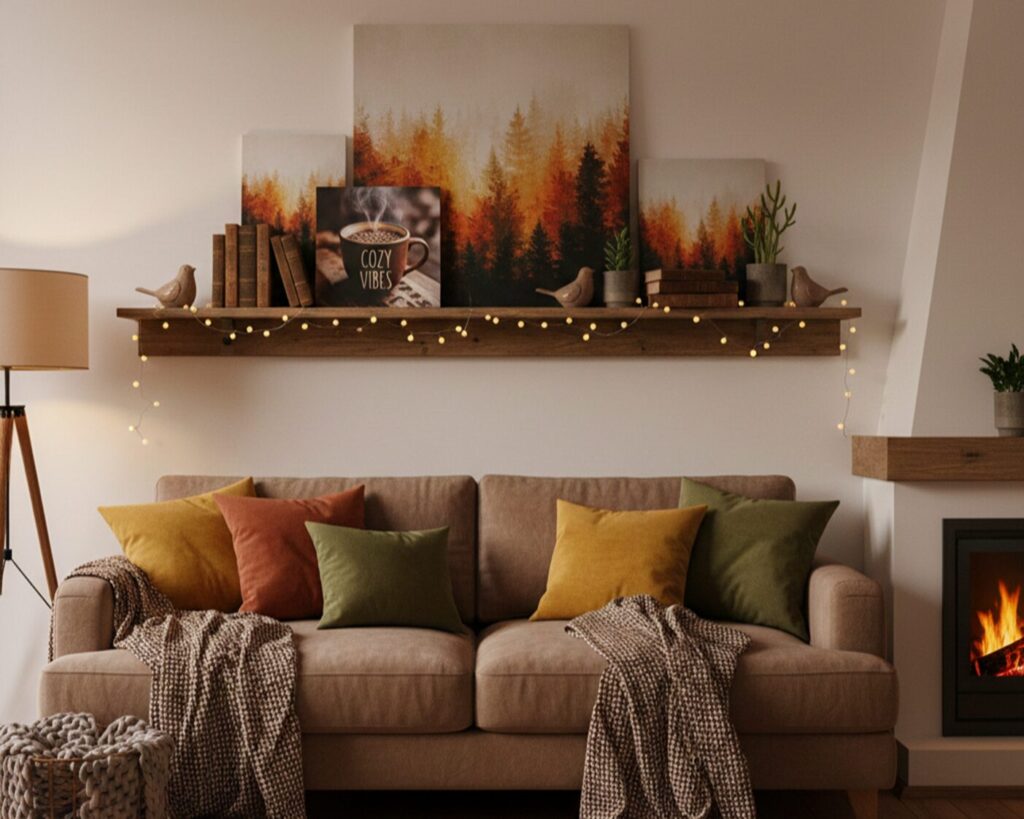
9. Style Canvas Prints on Ledges and Shelves
Not every canvas needs a permanent spot on the wall.
Smaller prints can be leaned on picture ledges, mantels, shelves, desks, or cabinets.
This works well if you like changing your décor because the arrangement can be updated in a few minutes.
Foam-mounted prints can also work nicely in this type of display because they are lightweight and easy to layer with other pieces.
Try putting the largest artwork toward the back, then add a smaller print, a plant, or a few books in front.
There is no need to make everything perfectly symmetrical.
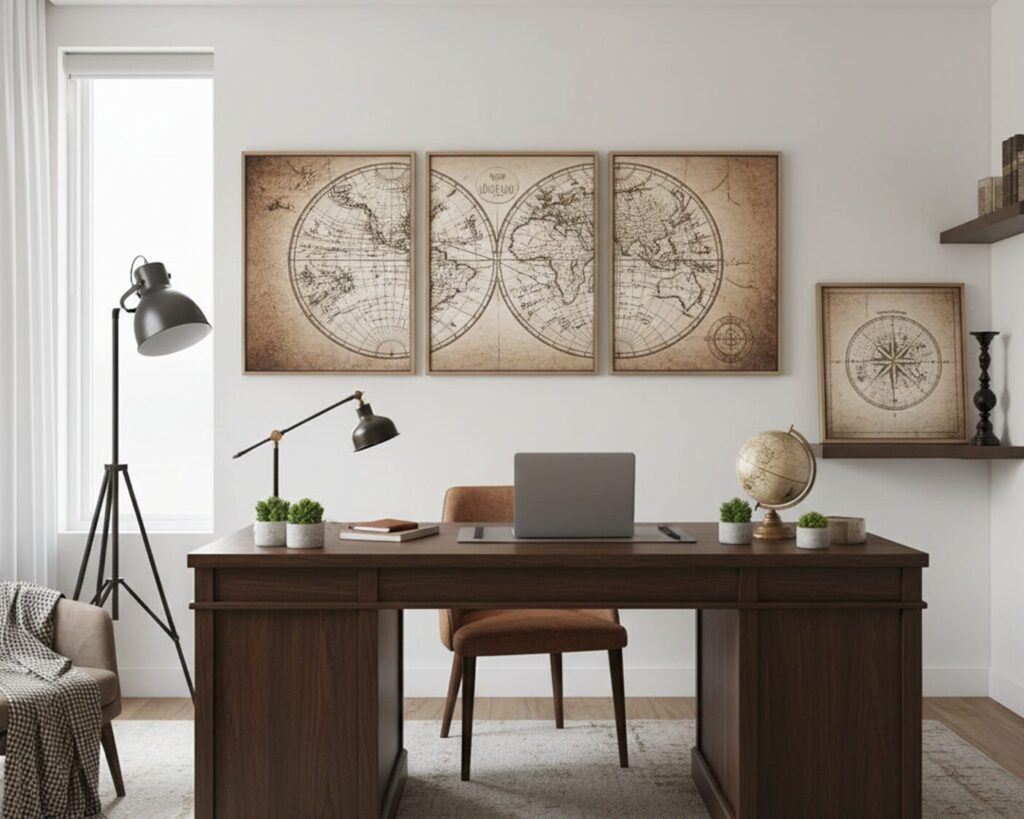
10. Build a Display Around One Theme
One of the easiest ways to make several prints work together is to give them something in common.
That might be the subject, location, color, photography style, or even the mood.
For example, you could create a wall around:
- Coastal photography
- Botanical artwork
- Black-and-white city scenes
- Travel photographs from one country
- Abstract pieces in similar colors
- Family photos from the same period
The prints do not need to look identical.
They only need enough connection that the grouping feels deliberate.
This is one of the most flexible canvas wall art ideas because you can start with two or three pieces and continue adding to the collection later.
Start With the Wall, Then Choose the Artwork
The most successful canvas displays usually begin with the space rather than the print.
Look at the size of the wall, the furniture nearby, the colors already in the room, and how far away the artwork will normally be viewed. Then decide whether the space needs one large piece, a pair, a gallery arrangement, or something smaller and more flexible.
You do not have to decorate every wall at once. Start with one area that feels unfinished and build from there.
Ready to give your walls a more personal look? Choose the photos, artwork, or designs that mean something to you, select a canvas size that fits the space, and turn an empty wall into a display that feels like part of your home rather than an afterthought.