Introduction
An archival pigment print is a print made with fade-resistant pigment inks on acid-free, archival-quality paper or coated canvas. When the inks, paper, and display conditions all line up, that print can hold its color and clarity for 100 years or more, which is exactly why collectors, galleries, and photographers ask for it by name.
If you have ever wondered what actually separates a print that lasts a lifetime from one that fades in a decade, you are in the right place. This guide breaks down the science of print permanence in plain language: the inks, the paper, the coatings, and the display habits that decide whether a piece of art survives to be handed down to the next generation. Along the way, we will show you how Lumaprints builds every archival pigment print to meet that standard, from ink set to fulfillment.
What Is an Archival Pigment Print?
At its core, an archival pigment print combines two things: pigment-based ink and acid-free media. Pigment ink is made of tiny solid color particles that sit on top of the paper fibers, rather than soaking in and reacting with them the way dye ink does. That structural difference is what gives pigment prints their resistance to fading, humidity, and airborne pollutants.
Acid-free paper matters just as much. Standard paper contains acidic compounds that break down over time, turning the sheet yellow and brittle. Archival paper, including cotton rag stock, is manufactured without those compounds, so the substrate itself does not work against the ink sitting on it.
What “Archival” Actually Means
“Archival” is not just a marketing word. It is a standards-based claim rooted in permanence testing carried out by independent labs and industry bodies. Organizations such as Wilhelm Imaging Research have spent decades measuring how long different ink and paper combinations hold their color under controlled light exposure, publishing display-permanence ratings that the print industry relies on.
The Fine Art Trade Guild‘s giclee standard is another benchmark worth knowing. It sets requirements for the inks, substrates, and color accuracy a print needs to be labeled a true giclee, which is part of why giclee and archival pigment printing are so closely linked. A print can only be called archival when the materials and the process both meet that bar, not just the finished look.
Archival Pigment Print vs. Giclee vs. Standard Inkjet
These three terms get used interchangeably online, but they are not identical. Here is how they actually compare.
| Ink Type | Paper / Substrate | Typical Display Life | Best Use | |
| Archival Pigment Print | Pigment | Acid-free fine art paper or cotton rag | 100+ years | Fine art, collector editions, gallery work |
| Giclée (archival) | Pigment | Acid-free fine art paper or canvas | 75-100+ years | Reproductions, photography, canvas art |
| Standard Inkjet Print | Dye-based | Standard photo paper | 10-25 years | Everyday photos, short-term display |
In short, every archival pigment print is a form of giclee printing, but not every giclee print is automatically archival. The deciding factor is always the ink and paper, so it pays to ask a printer directly what materials they use.
The Four Factors That Determine Print Longevity
Four variables decide how long a print will last, and they matter in this order:
- Inks: pigment ink resists fading far longer than dye-based ink, which is why it is the foundation of any archival pigment print.
- Paper or substrate: acid-free and cotton rag papers avoid the yellowing and brittleness that standard paper develops, and papers free of optical brightening agents hold their true color longer.
- Coatings and UV protection: a protective coating on canvas, or UV-filtering glazing on framed paper prints, shields the surface from light damage and airborne contaminants.
- Display and storage conditions: even the best archival pigment print will fade faster in direct sunlight, high humidity, or poor air quality, so where and how a print is displayed can significantly affect its lifespan.
How Long Do Archival Prints Last?
This is the question most buyers actually want answered, and independent lightfastness testing gives us real numbers to work with rather than guesses. Wilhelm Imaging Research and similar labs test prints under accelerated light exposure and extrapolate how many years of typical display the print can withstand before noticeable fading occurs.
For a true archival pigment print, meaning pigment ink on acid-free or cotton rag paper, well-regarded combinations are commonly rated well past 100 years under glass and away from direct sunlight. Canvas prints with a quality protective coating land in a similar range, often 75 to 100+ years depending on the ink set and coating used. Standard dye-based inkjet prints, by comparison, typically start showing visible fading within 10 to 25 years.
How to Tell If a Print Is Truly Archival
Before you order or invest in a print, run through this checklist:
- Pigment ink, not dye ink, is used in the printing process.
- The paper is acid-free, and cotton rag stock is used for fine art editions.
- The stock is OBA-free when maximum longevity is the priority.
- Canvas prints include a protective coating.
- The printer can point to documented lightfastness ratings for their specific inks and papers, not just a vague “archival quality” label.
How Lumaprints Makes Archival Prints
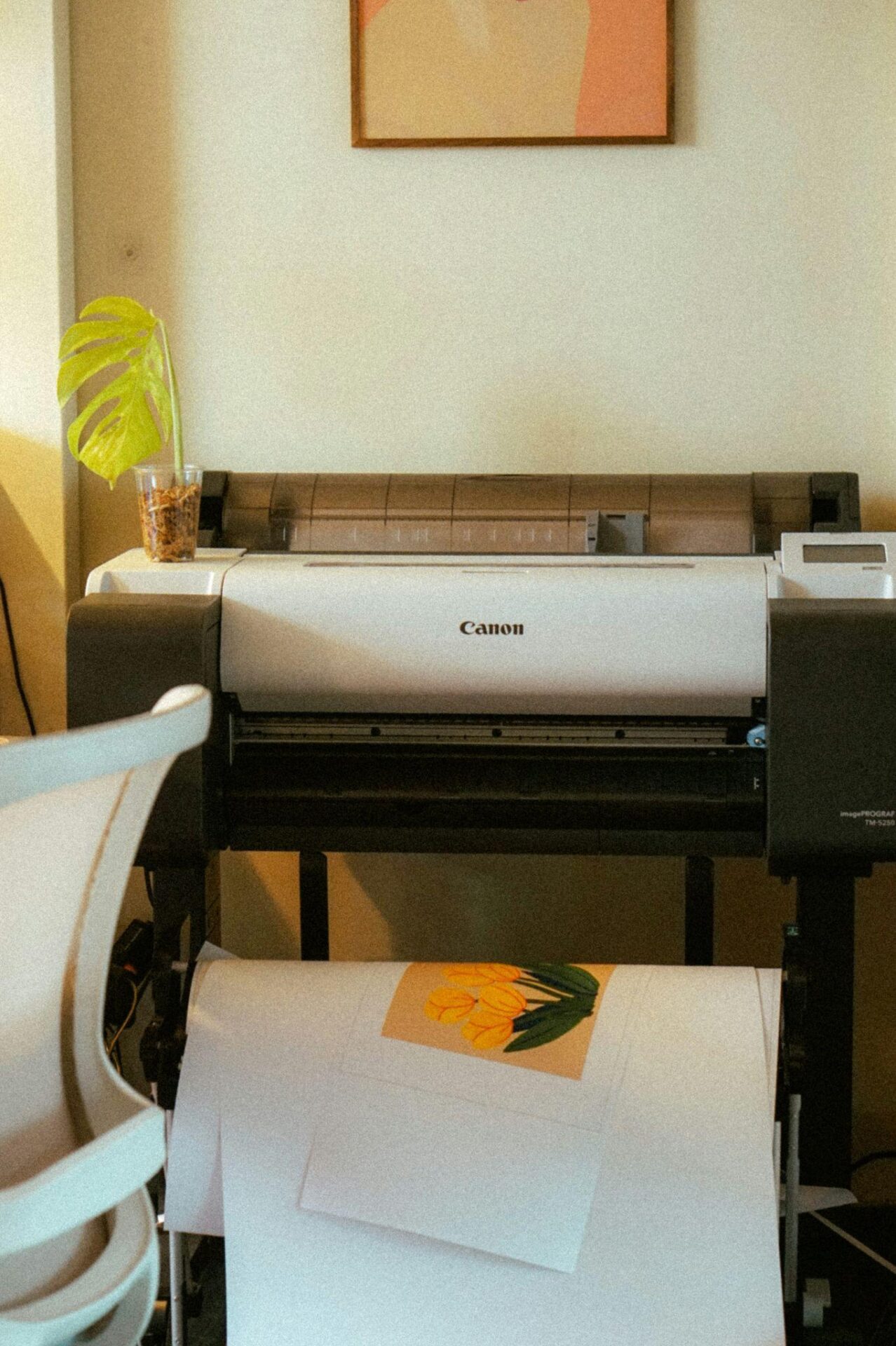
Every archival pigment print we produce starts with fade-resistant pigment inks laid down on acid-free fine art papers, including our 100% cotton rag options printed in-house on large-format giclee printers. We build our fine art archival printing process around the same standards this guide walks through: the right ink, the right substrate, and the right finishing.
For canvas orders, we apply a protective coating designed to guard against UV exposure, moisture, and everyday handling. Because everything happens in-house, from ink selection to fulfillment, we can speak directly to how each product is built rather than pointing to a vendor’s spec sheet.
Explore our archival fine art paper prints for acid-free, cotton rag options, or check out our archival canvas prints for a coated, gallery-ready finish.
Caring for Your Prints to Reach 100+ Years
Even the best archival pigment print needs the right environment to hit its full lifespan. Preservation experts, including the Image Permanence Institute and the Library of Congress‘s preservation division, point to the same core habits for extending a print’s display life.
- Frame paper prints behind UV-protective glazing to filter out the light that causes the most fading.
- Keep prints out of direct sunlight, and avoid placing them near windows with strong afternoon light.
- Control humidity where possible; both very dry and very damp conditions can damage paper and canvas over time.
- Avoid hanging prints near heat sources like radiators, vents, or fireplaces, since temperature swings accelerate wear.
- Dust gently with a soft, dry cloth rather than cleaning sprays, which can react with inks and coatings.
Follow those habits, and the print itself has already done the hard part. The materials provide longevity; good display conditions simply let that longevity show.
Choose Lumaprints for Your Next Archival Pigment Print
We built our fine art archival printing process around one goal: prints that are still worth looking at in 100 years. That means archival pigment inks on every order, acid-free and cotton rag papers for our fine art paper line, protective coatings on canvas, and in-house production so we control quality at every step.
- Archival pigment inks across all canvas and fine art paper prints.
- Acid-free fine art paper and cotton rag stock built for longevity.
- Protective coatings on canvas and gallery-grade finishing options.
- In-house giclee production, so we know exactly what goes into every archival pigment print we ship.
Ready to see it for yourself? Order an archival fine art paper print, browse archival canvas prints, or explore our dye-sublimated metal prints for a vibrant, long-lasting alternative.
Frequently Asked Questions
What is an archival pigment print?
An archival pigment print is made with fade-resistant pigment inks on acid-free, archival-quality paper or coated canvas. The combination is engineered to resist fading and yellowing for decades, and many archival pigment prints are rated to last 100+ years under proper display conditions.
Is a giclee print the same as an archival pigment print?
In most cases, yes. Giclee refers to high-resolution inkjet fine art printing, and when a giclee print uses archival pigment inks on acid-free media, it qualifies as an archival pigment print. The archival part comes down to the specific inks and paper used, not the giclee process alone.
How long does an archival pigment print last?
With pigment inks, acid-free media, and good display conditions, such as keeping the print out of direct sun and behind UV-protective glass, independent testing puts display life well past 100 years for many ink and paper combinations. Exact figures vary by ink set, paper, and environment.
What makes fine art archival printing different from regular printing?
Fine art archival printing uses pigment inks instead of dye inks for paper and canvas, acid-free or cotton rag substrates instead of standard paper, and a UV-protective coating on canvas prints. Every material is chosen for permanence, not just for the lowest cost.
How can I tell if a print is really archival?
Look for pigment inks rather than dye inks, acid-free or cotton rag paper, OBA-free stock when longevity matters most, a protective coating on canvas, and a printer that can share documented lightfastness ratings for its materials.
Conclusion
Making art that lasts 100+ years is not luck, but chemistry and materials science. An archival pigment print earns that lifespan through fade-resistant pigment inks, acid-free or cotton rag paper, protective coatings, and thoughtful display conditions working together. Skip any one of those factors and the clock on your print starts moving faster than it should.
Whether you are a photographer building a portfolio, an artist selling editions, or someone who just wants a favorite photo to survive for the next generation, understanding fine art archival printing puts you in a much better position to buy or produce work with confidence. When you are ready to print, Lumaprints is here to build that piece with materials made to last.