We discover more art online than ever before. Instagram, Pinterest, online galleries, and artist websites can introduce us to a new photographer, illustrator, or painter in seconds. The downside is that the next image is always one swipe away.
That constant stream of content is part of what makes digital fatigue so noticeable. Even artwork we genuinely like can disappear into a saved folder or get buried beneath the next round of posts.
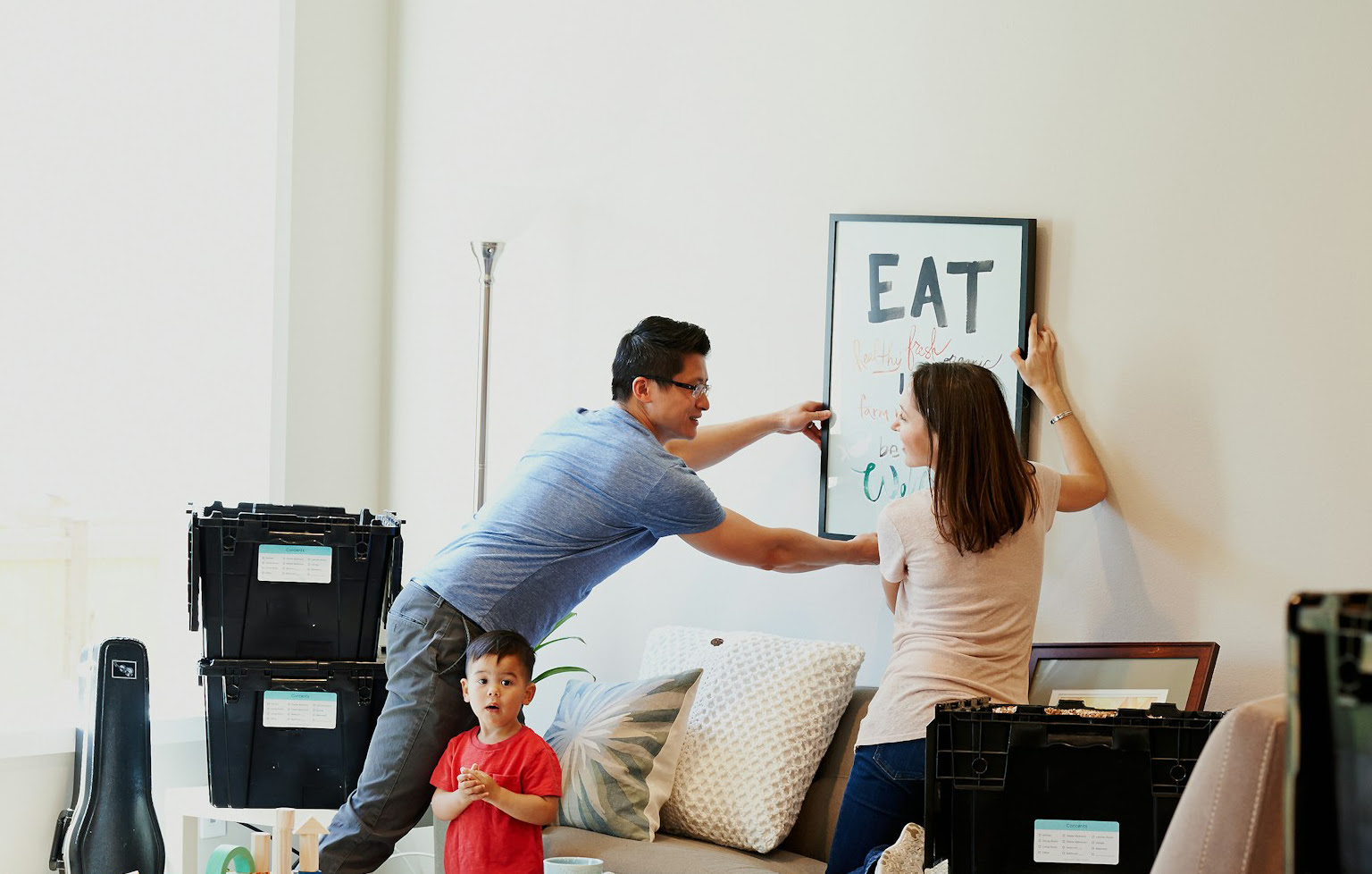
Physical prints offer something different. Once an image is printed, framed, and placed in a room, it becomes part of the space rather than another piece of content competing for attention. For artists, that creates an opportunity to use digital platforms for discovery while giving people a way to own and live with the work they connect with.
Here are the main ideas explored in Webinar 63.
Understanding Digital Fatigue
Online platforms have made art easier to discover, but they have also changed the way we look at it.
People move quickly through feeds, often seeing dozens of images in a short period of time. A photograph or illustration may catch someone’s attention for a few seconds before the screen moves on to something else.
That is where digital fatigue becomes relevant for artists and photographers. It does not mean people have stopped enjoying digital content. It means there is a growing difference between seeing an image briefly and choosing to give it a permanent place in your surroundings.
A print slows that experience down.
There are no notifications or competing posts on the wall. The artwork stays where it is, and over time it becomes familiar in a way that an image on a screen rarely does.
Why Physical Artwork Feels More Personal
Artwork displayed at home or in a workspace becomes connected to that environment.
People often choose a piece because it reminds them of somewhere they have been, reflects a particular interest, fits the mood of the room, or simply makes them feel something every time they see it.
That relationship is difficult to recreate through a screen alone.
Buying physical artwork also involves a more deliberate decision than liking or saving an online image. The buyer chooses the image, size, material, and sometimes the frame. Those decisions make the finished piece feel more personal.
For artists, this is where digital discovery can turn into something more meaningful. Social media may introduce someone to the work, but a physical print gives that person a reason to keep experiencing it long after the original post disappears from their feed.
The Role of Print Quality
Moving artwork from a screen to a physical product introduces another creative decision: how should it be printed?
Paper surface, canvas texture, color reproduction, size, and framing all influence the way the finished piece feels.
For artwork where paper character and fine detail matter, fine art paper prints can provide a more traditional presentation. Photography, landscapes, and artwork that benefits from visible texture may work well as canvas prints.
The important thing is to match the print medium to the artwork rather than choosing a product simply because it is available.
A strong digital image can lose some of its impact if the crop, material, or finish does not suit it. On the other hand, the right medium can bring out details and qualities that are easy to overlook on a screen.
Longevity and the Presence of a Physical Print
One reason prints feel different from digital images is simple: they stay visible.
A photograph saved on a phone may eventually be buried beneath thousands of other files. Artwork on a wall continues to be seen every day.
That presence matters.
Over time, a print can become connected to a room, a home, or a particular period in someone’s life. It may move from one house to another or become part of a collection that grows over the years.
Material and production quality matter here as well. Artists who plan to sell their work should think beyond how a print looks when it first arrives and consider how they want it to be presented over time.
Let the Print Format Support the Artwork
Not every image needs the same treatment.
Some buyers may prefer an accessible paper print that they can frame themselves. Others may want something that arrives ready to display, such as framed canvas prints.
Artists can use those differences to build a more thoughtful product range.
Instead of offering every possible combination, consider what actually suits the work. A detailed illustration may belong on paper. A large landscape may have more presence on canvas. A statement piece may benefit from a frame that gives it a finished edge.
This keeps the focus on the artwork instead of turning the buying process into a long list of options.
How Lumaprints Supports the Move From Digital to Physical
For artists who create digitally or promote most of their work online, producing a physical collection can feel like a separate business altogether.
Printing, materials, sizing, framing, packing, and fulfillment all need attention.
Lumaprints helps handle the production side so artists can concentrate more of their time on creating, building an audience, and deciding how their work should be presented.
That is especially useful for artists who want to test physical products without turning their studio into an inventory and shipping operation.
A digital audience can then become more than views and likes. It can become a group of collectors who have the artist’s work hanging in their own spaces.
Supporting Artists and Collectors
Digital and physical art do not need to compete with one another.
Online platforms are still one of the most useful ways for artists to reach people outside their immediate community. The opportunity is to treat digital exposure as the beginning of the relationship rather than the final destination.
An artist might share a new photograph online, show part of the editing process, post a room mockup, and eventually offer the image as a print.
That progression gives followers a way to move from discovering the work to actually owning it.
For collectors, the benefit is just as straightforward. They can discover artists from almost anywhere and then choose the pieces they want to bring into their everyday surroundings.
Q&A Highlights
Should artists offer only paper prints or include higher-priced options?
The webinar recommends offering more than one level of product when it makes sense for the artwork.
Paper prints can provide a more accessible way for someone to purchase an artist’s work, while canvas and framed options can appeal to buyers looking for a larger or more finished presentation.
The important thing is not to add premium products simply to raise the price. Each format should have a reason for being there.
Which medium is more in demand, fine art paper or canvas?
During the webinar, fine art paper was discussed as a format that can sell at higher volume, while canvas and framed pieces may create more value per individual sale.
Rather than assuming one medium will always perform better, artists can test a focused selection and pay attention to what their own audience actually buys.
Give Digital Art a Life Beyond the Screen
The return to physical prints does not mean digital art discovery is disappearing. In many ways, the two work better together.
Screens help people find artists they might never have encountered otherwise. Prints give those discoveries somewhere to live.
For artists, the practical approach is to use both. Keep sharing the work digitally, but think about which pieces deserve to become something people can hold, frame, collect, and see every day.
Ready to give your digital work a physical presence? Choose the images that connect most strongly with your audience, explore Lumaprints’ professional printing options, and turn those digital discoveries into artwork people can bring into their own spaces.