

There’s a reason people pay attention when they hear that something is available “for a limited time” or that only a few pieces exist. Scarcity changes the way we look at value. In art, that effect can be even stronger because buying a piece is already a personal decision.
A collector may like an image for its color, subject, or style, but knowing that only a certain number of copies will ever exist adds something else to the experience. Limited edition prints aren’t simply reproductions with a number written on them. When they are planned properly, the edition itself becomes part of the story behind the work.
Once every print in the edition has been produced, that run is finished. For some collectors, that finality is exactly what makes the piece worth owning.
The Psychology Behind Scarcity in Art
People don’t collect art for one single reason. Sometimes they fall in love with an image immediately. Other times, it’s the artist’s story, the subject matter, or even the memory attached to the purchase that matters most.
Scarcity can add another layer to that decision.
There’s the obvious fear of missing out: if only 50 prints exist and most have already sold, waiting could mean losing the chance completely. But there’s also the satisfaction of knowing you own something that isn’t hanging in thousands of other homes.
A limited edition can create:
- A sense of urgency because the work won’t be available forever
- Pride of ownership because only a certain number of collectors can own it
- A stronger personal attachment because the piece feels less replaceable
None of this means that an open-edition print has no value. It simply offers a different experience. A limited edition places a boundary around availability, and that boundary can make ownership feel more deliberate.
The Significance of Numbering and Signing
If you’ve ever looked closely at a limited print, you’ve probably seen something like 7/50 or 38/100 written near the bottom.
The first number identifies the individual print, while the second shows the total size of the edition. So 7/50 means that particular piece is number seven in an edition of 50.
That simple notation gives collectors useful information. They know how many prints belong to the edition and where their copy sits within it.
A signature adds another layer. With signed limited edition prints, the artist leaves a direct mark on the finished work. For some buyers, that matters just as much as the edition number.
Signing and numbering can:
- Make the edition easier to identify
- Give collectors confidence about what they are purchasing
- Create a more direct connection between the artist and the buyer
- Make the finished piece feel more complete as a collectible
Tate explains in its Limited Edition Buyer’s Guide that its limited editions are signed and numbered by the artist or supplied with a signed certificate.
For artists creating their own editions, consistency is important. Decide in advance how the prints will be numbered, where the signature will go, and whether certificates will be included.
Print Quantity and Exclusivity
One of the first decisions an artist has to make is how large the edition should be.
There isn’t a magic number.
An edition of 20 may make sense for one artist, while another might choose 100 or 250. What matters is that the number suits the artist’s audience and the way they want the work to be collected.
Smaller editions naturally feel more exclusive. If only 25 copies exist, each one represents a relatively large part of the full run.
Larger editions make the artwork available to more people while still keeping a clear limit in place.
For artists planning limited edition art prints, it’s a good idea to settle on the quantity before anything goes on sale. Increasing the edition later can frustrate buyers who purchased the work believing the original number was final.
Think about it from the collector’s point of view. If someone buys one of 50 prints, they expect there to be 50—not 50 today and 100 next year.
Clear expectations help protect trust.
Emotional Buying: Why People Collect Art?
People rarely buy art because they need it in the same way they need a chair, a lamp, or a kitchen appliance.
Most of the time, the decision is emotional.
A piece might remind someone of a place they visited, a person they love, or a particular period in their life. Sometimes they simply like looking at it. That’s reason enough.
Limited editions can make that emotional connection stronger because the buyer knows the opportunity isn’t unlimited.
Maybe the collector discovered the artist early. Maybe the print marks an important moment. Maybe it simply happened to be the piece that caught their attention at exactly the right time.
Those stories become part of the artwork once it enters someone’s home.
That is one reason scarcity works so naturally in art. It doesn’t create the emotional connection by itself, but it can deepen one that already exists.
Choosing the Right Print Medium for Limited Editions
The edition size isn’t the only thing that matters. The material you print on changes how the artwork looks, feels, and lives in a space.
An image that works beautifully on fine art paper may feel completely different on metal. A painterly piece may gain something from canvas texture, while detailed photography may benefit from a smoother surface.
There isn’t one medium that works best for every limited edition.
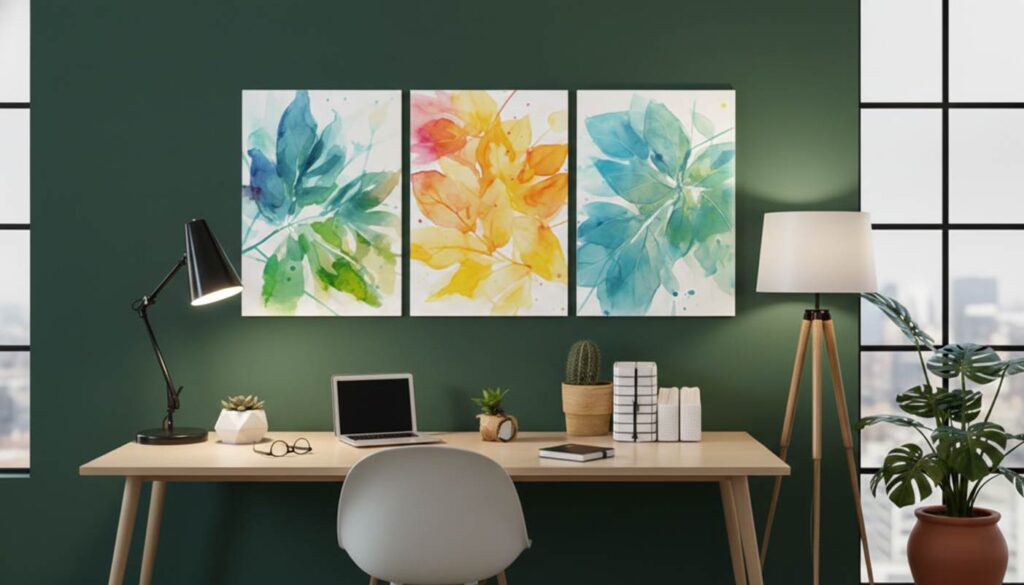
Fine Art Paper Prints
Fine art paper is a natural choice for artists who want a traditional print presentation.
It works especially well for illustrations, photography, drawings, and pieces where subtle details matter. The paper itself also becomes part of the finished work through its weight, texture, and surface.
Another advantage is flexibility. Collectors can choose their own framing style rather than receiving a finished piece that already dictates how it should be displayed.

Framed Canvas Prints
Framed canvas prints have a completely different character.
Canvas adds texture, which can work particularly well for painterly images or artwork with strong brushwork and expressive color. Once framed, the piece has a finished, ready-to-display appearance.
Canvas also tends to feel less formal than paper behind glass, which can make it a good option for work intended for homes, studios, or creative spaces.

Metal Prints
Metal prints suit artwork that benefits from a cleaner, more contemporary presentation.
They can work particularly well with photography, vivid color, architectural images, and modern digital artwork. The smooth surface gives the finished piece a different presence from paper or canvas.
If the artwork has a bold, graphic quality, metal may complement it better than a softer medium.
The key is to choose the medium because it suits the work—not simply because one option sounds more expensive or exclusive.
Rarity as a Creative Choice
It would be easy to treat limited editions as nothing more than a sales technique.
For many artists, though, the decision is more personal than that.
An artist may simply decide that a certain piece should only exist in a particular quantity. Perhaps it represents a period in their career. Perhaps the work was created for a specific collection. Or maybe they simply don’t want that image reproduced indefinitely.
Digital art makes this choice especially interesting.
An image file can be copied endlessly, but the artist can still decide that only 30, 50, or 100 physical prints will ever belong to an official edition.
That limit gives the physical version its own identity.
In that sense, limited edition prints aren’t only about scarcity. They’re also about an artist deciding how their work should enter the world.
Frequently Asked Questions About Limited Edition Prints
What exactly is a limited edition print?
It is a print produced as part of a fixed run. If the edition is set at 100, no additional prints should later be added to that same edition.
What does a number such as 15/100 mean?
It means that the print is number 15 in an edition consisting of 100 prints.
Do limited editions have to be signed?
No, but many artists sign them. A signature can make the connection to the artist clearer and may also help document the edition.
Should artists always make very small editions?
Not necessarily. A smaller edition creates more scarcity, but it also limits how many people can buy the work. The right quantity depends on the artist, audience, and price point.
What medium should I use for limited edition art prints?
Start with the artwork itself. Fine art paper works well for detailed pieces, canvas adds texture, and metal can complement bright photography or contemporary digital work.
Final Thoughts
There’s no formula that automatically makes a limited edition valuable.
A low edition number won’t make weak artwork meaningful, and an artist’s signature won’t replace good printing or thoughtful presentation. The strongest limited editions bring all of those things together: design people genuinely connect with, a clearly defined edition, consistent numbering, good materials, and a presentation that suits the image.
Artists also don’t need to make every piece limited. Some work may be better suited to open editions, while other pieces feel right as smaller releases.
If you’re planning your first limited collection, settle the practical details before you begin selling. Decide how many prints will exist, what medium you’ll use, how they’ll be numbered, whether you’ll sign them, and whether buyers will receive a certificate.
Once the first piece sells, those decisions should stay consistent.
Ready to turn your artwork into a limited-edition collection? Lumaprints offers professional options in fine art paper, framed canvas, metal, and other formats. Get in touch and choose the print medium that feels right for the work you’re creating.




How do you handle drop shipping a limited edition print?
Hi Lary, here are some examples other customers have done in the past:
– Digitally adding numbers (e.g., 1 of 10, 2 of 10, etc.) with a signature to each print file, and submitting the order to each customer with a different numbered design file each time
– Adding an additional Fine Art Paper print product to the order that has verbiage about limited edition, certificate of authenticity, etc. The premium finish of our fine art paper prints would help add to the value of the limited edition prints you would be trying to convey.
In other cases, that isn’t dropship, customers would take advantage of our bulk order discount. They order a limited amount of the prints as they would advertise and they ink the edition number themselves. From there, they either ship it directly to the customer or have it for their fairs, gallery shows, etc.
Hope this helps!