Printing your art isn’t just about getting the job done, but also about how you showcase it afterwards. At Lumaprints, we often see artists choose between two main styles: loose prints and mounted prints. Both can look beautiful, but they serve different purposes. Knowing the difference helps you match your artwork with the presentation that makes the most sense for you.
If you’re comparing a mounted vs. unmounted print, think about what happens after the print arrives. Do you want the freedom to choose your own frame later, or would you rather have something sturdy and ready to display? That practical difference is often what makes the decision easier.
Loose Prints
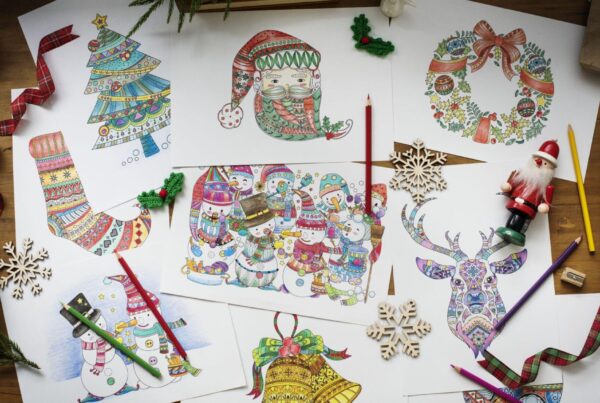
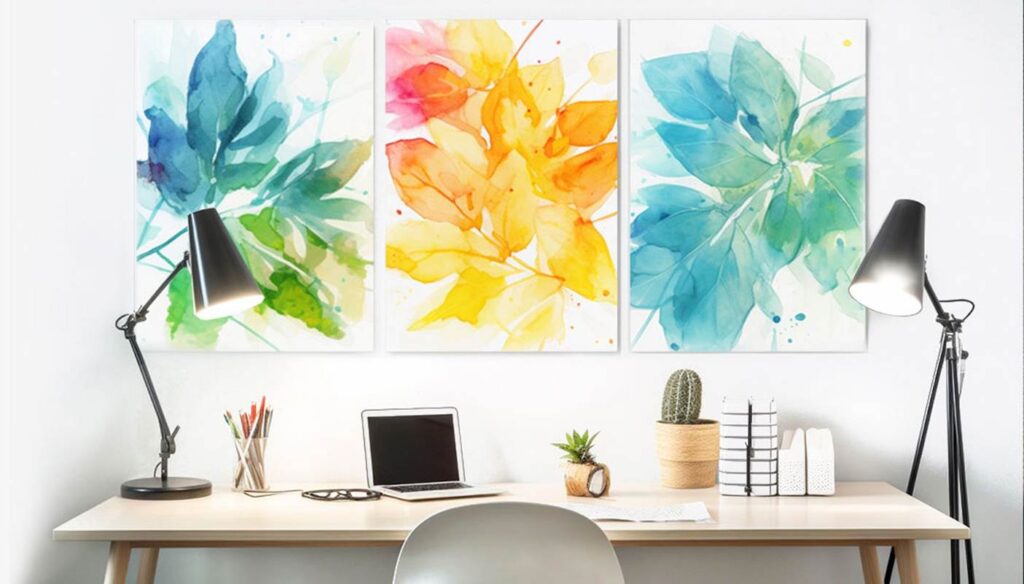
A loose print is your artwork in its simplest form. It is printed on premium paper, left unmounted, and ready for you to customize. It’s a good choice if you want something simple, flexible, and full of possibilities for how the artwork will eventually be displayed.
Easy to Frame and Store
Loose prints can be framed any way you like. You might choose a natural wood frame, a sleek black one, or a wide mat for a more traditional gallery look. You’re in control of those details.
They’re also easier to store or move, especially for artists who regularly sell, rotate, or display their work. If you decide to change the frame later, you can simply remove the print and give it a completely different presentation.
For valuable works on paper that are meant to be kept for a long time, the materials used for matting and framing also matter. The Northeast Document Conservation Center provides useful guidance on matting and framing works on paper, including the importance of appropriate backing and framing materials (NEDCC).
Great for Portfolios and Art Shows
If you’re creating your portfolio, preparing for an exhibit, or selling at an art show, loose prints are convenient and easy to organize. You can transport them safely, move them out for new ones, and showcase different pieces with minimal effort.
They also work well when buyers want to choose their own frames. Instead of deciding how the artwork should look in someone else’s space, you leave that choice up to them.
Affordable and Adaptable
Since there’s no backing board, loose prints are the more budget-friendly option. You can order multiple sizes or designs without worrying about the extra cost of mounting. This makes them a practical option for artists, photographers, and collectors who like flexibility.
Mounted Prints
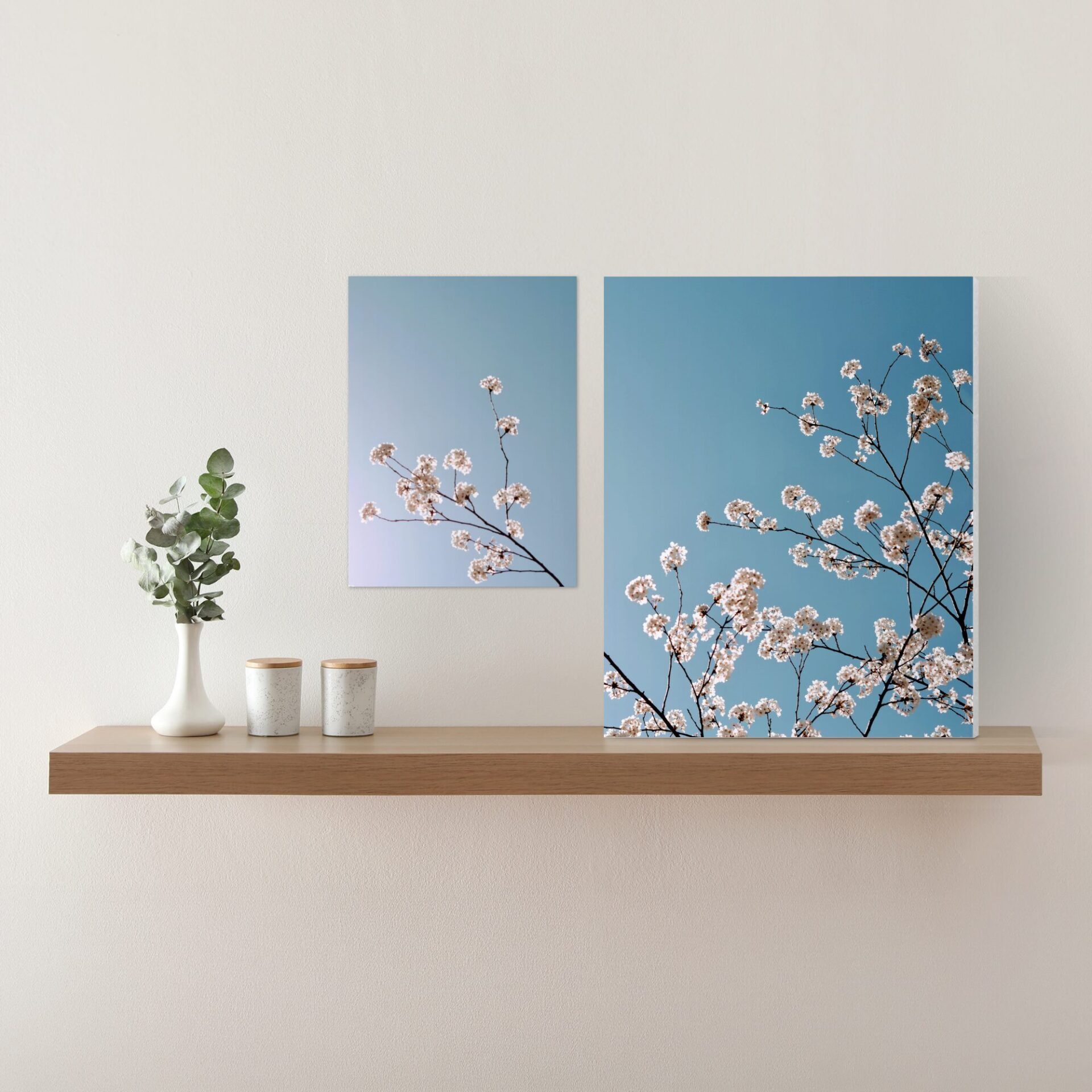
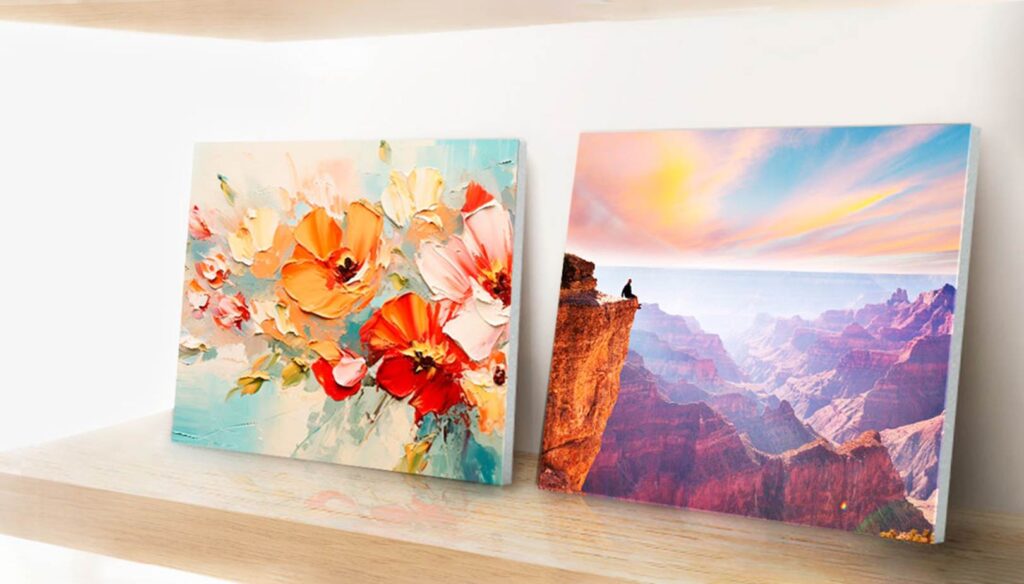
Mounted prints are for those who want something with more structure the moment it arrives. The print is adhered to a rigid board, usually foamboard, giving it support and a clean, finished appearance. It’s a good choice if you prefer artwork that stays flat and is easier to prepare for display.
Ready to Hang or Frame
Mounted prints from Lumaprints come flat and sturdy. Depending on how you want to present them, you can display them as they are, place them on a shelf, or add a frame for a more finished look.
There is less preparation involved compared with starting from a loose sheet, which can be useful for exhibitions, displays, or spaces where you want the artwork ready sooner.
Added Support for Your Print
Mounting gives your artwork extra rigidity. It helps reduce bending, curling, and creasing during normal display and handling, which can be especially useful for larger prints or pieces that will be moved around regularly.
That said, the backing does not mean the artwork is immune to damage. Mounted prints should still be handled carefully and kept away from excessive moisture, direct sunlight, and rough surfaces.
Modern and Polished Look
Mounted prints have a clean, flat appearance. The edges remain straight, the surface stays supported, and the artwork can feel more intentional when displayed without a traditional frame.
For contemporary photography, posters, exhibitions, or minimalist interiors, that simple presentation may be exactly what you want.
Which Option Fits You Best?
There’s no wrong choice, and it really depends on how you plan to use your art.
- Choose loose prints if you love creative control and want flexibility for framing, moving, or storage.
- Choose foam-mounted prints if you prefer a flatter, more rigid presentation that requires less preparation before display.
When making a mounted vs unmounted print decision, think about what matters more to you: flexibility or convenience. An artist selling prints may prefer loose paper because buyers can choose their own frames, while someone preparing artwork for a display may appreciate the extra support that mounting provides.
At Lumaprints, both options are produced with attention to detail and color accuracy. Whether you choose loose or mounted, your artwork should still look like your artwork. The presentation simply changes how you choose to show it.
FAQs
Do mounted prints last longer?
Mounting gives the print more support and helps protect it from bending, curling, or creasing during normal handling. Long-term preservation still depends on the materials, framing, environment, and how the print is cared for.
Can I still frame a mounted print?
Definitely. A mounted print can still be framed, although you’ll need a frame deep enough to accommodate the thickness of the backing board.
Which one makes a better gift?
If you want something that requires less preparation before displaying, mounted prints are a good option. Loose prints work well for someone who may want to choose their own frame and style.
Are loose prints easier to store?
Usually, yes. They take up less space, but they should be stored flat and protected from moisture, dust, creases, and unnecessary handling.
Are mounted prints good for art shows?
They can be. Their rigid backing keeps the artwork flat and makes individual pieces easier to handle during temporary displays, exhibitions, or portfolio presentations.
Final Thoughts
Loose prints and mounted prints showcase your art in different ways. Loose prints are about flexibility, so you can reframe them, store them easily, or change the presentation as your collection grows. Mounted prints are more about structure and convenience, giving the artwork a flat and finished appearance from the start.
Neither option is automatically better. Think about where the artwork is going, whether it will need to travel, how you want it framed, and how much control you want over the final presentation.
If you want flexibility, start with loose fine art paper prints. If you prefer a sturdier presentation, explore Lumaprints’ foam-mounted prints and choose the option that makes the most sense for how you want your work to be seen.