
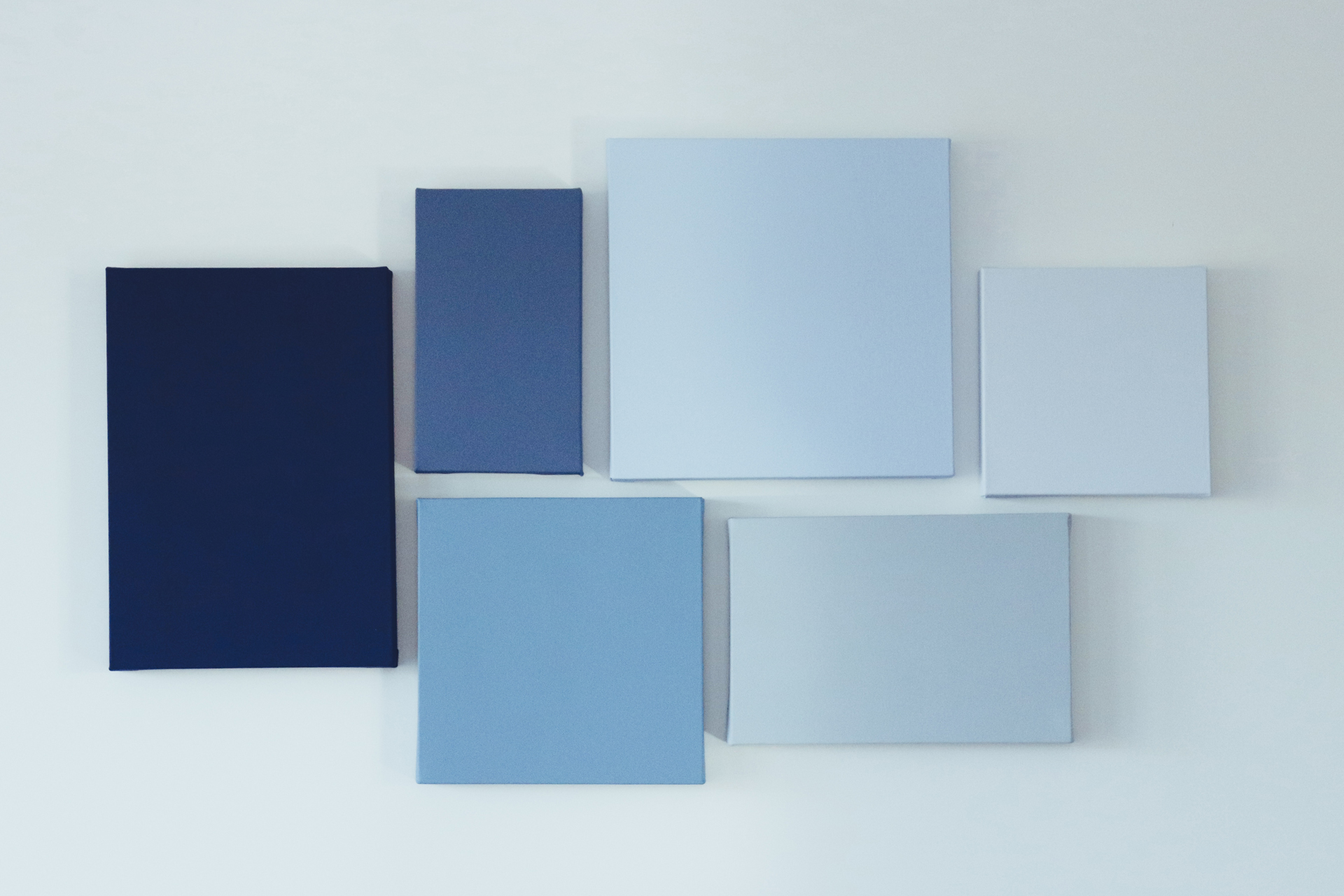
In our first webinar, the Lumaprints team gives you a closer look at how canvas prints are made , beginning with the image file and continuing through printing, canvas stretching , framing, packing, and fulfillment. If you have ever uploaded artwork and wondered what happens before the finished piece reaches your customer, this webinar walks through much of that process.
For artists and online sellers, knowing what happens behind the scenes can also make it easier to choose print sizes, prepare files, and answer customer questions. Lumaprints offers canvas prints for artists, photographers, and businesses that prefer to leave production and shipping to a printing partner.
Company History
Lumaprints began in 2010 when Kenneth and his brother Yong started the business from a second bedroom. Over time, the company expanded into production facilities in Anaheim, California, and Louisville, Kentucky.
By the time this webinar was recorded, Lumaprints had grown well beyond its original setup, with a larger production team and equipment dedicated to canvas, paper, and metal printing.
Having more of the work handled in-house also meant the team could manage several stages of an order themselves, from printing and stretching to framing, packaging, and fulfillment.
Features and Production Process of Canvas Prints
To understand how canvas prints are made , it helps to start with the material being printed on. At the time of the webinar, Lumaprints discusses two canvas options: heavyweight canvas and polyester canvas.
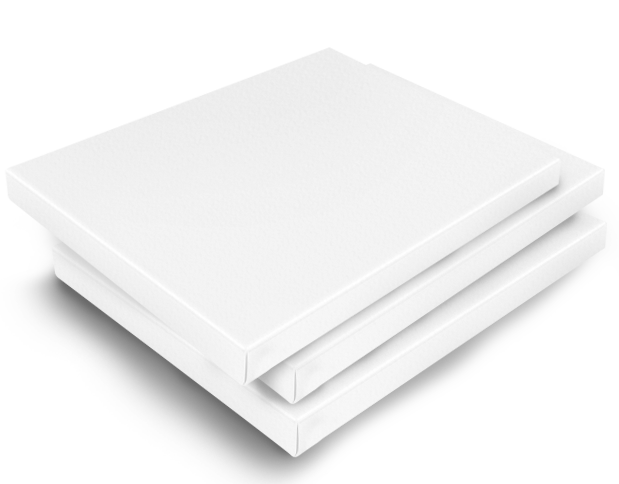
- Heavyweight Canvas: This is the more premium of the two options. It has a heavier feel and works well when the goal is a more substantial finished canvas.
- Polyester Canvas: This option comes in at a lower price point while still providing good color reproduction, making it useful for sellers who want a more economical canvas choice.
Once the material is selected, the artwork is printed using Epson inks. From there, the print moves on to one of the most hands-on parts of production: stretching.
The printed canvas is pulled over solid wood stretcher bars for canvas, which create the structure behind the finished piece.
The webinar covers three stretcher bar depths:
- 0.75 inch
- 1.25 inches
- 1.5 inches
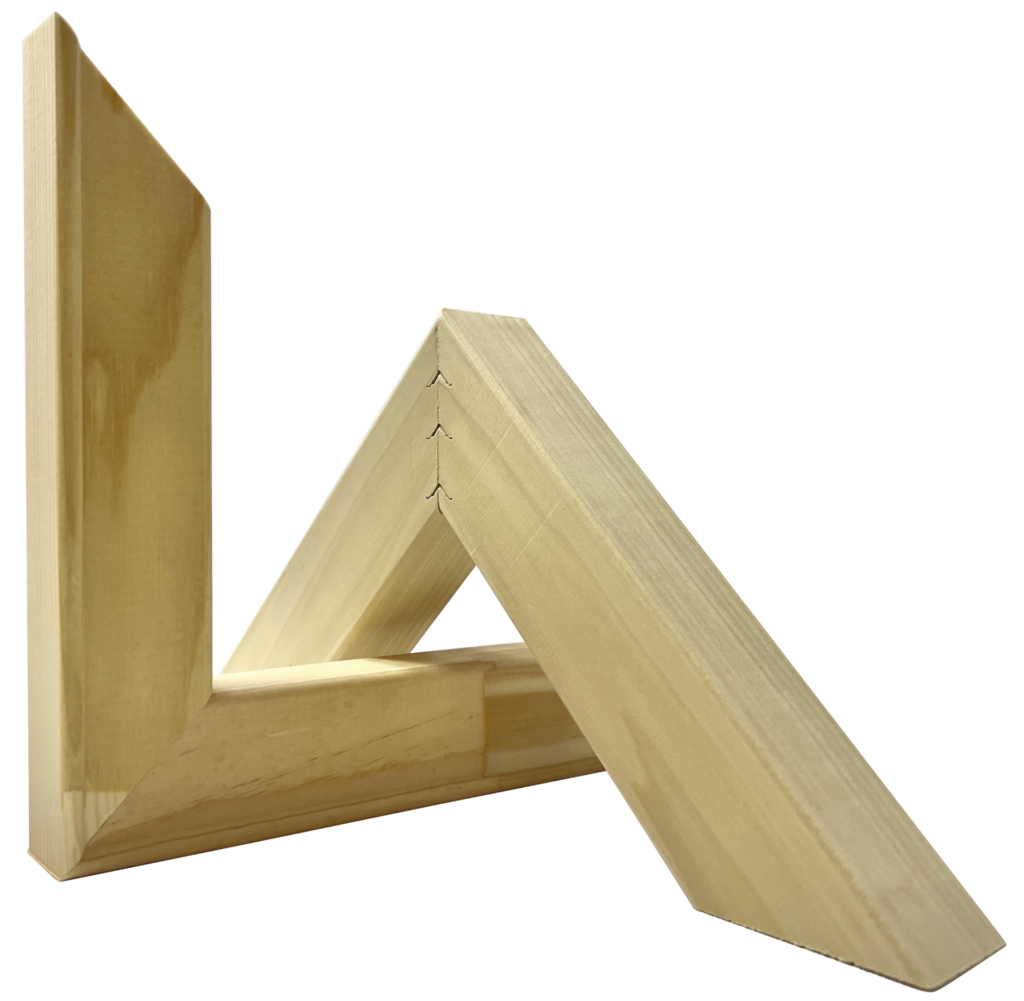
Good canvas stretching is not simply about pulling the fabric tight. The image also needs to stay properly positioned around the edges. This becomes especially noticeable with designs that have borders, straight lines, or details close to the edge.
For prints that need more precise alignment, hand stretching may be used so the team can control how the image sits on the frame.
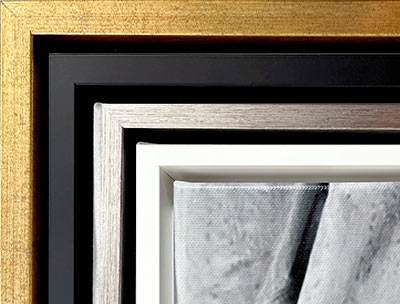
The webinar also introduces several framed canvas choices. Different frame depths and finishes can change how the same piece of artwork feels once it is displayed.
On larger framed pieces, additional cross braces may be used to give the structure more support. Hardware such as Z-clips helps secure the stretched canvas inside the outer frame.
Ordering Process and Fulfillment
When an order comes in, the file has to be prepared before printing starts.
The webinar explains that the Lumaprints team reviews the image to make sure it is suitable for production. Resolution matters here, particularly when an image is being enlarged.
For canvas, the webinar recommends preparing artwork at around 200 DPI at the intended print size. That number is helpful, but it should not be treated as the only measure of quality. A blurry or heavily compressed source image will not suddenly become sharp just because the DPI setting is changed.
Adobe’s guide to printed image resolution explains how pixel dimensions, resolution, and physical print size work together.
Once the artwork is ready, it moves through the canvas printing process, stretching, finishing, and finally packaging.
Standard canvas prints are protected before shipping, while framed pieces need additional protection around the frame and corners. The idea is straightforward: the finished artwork should arrive in the same condition it was in when it left production.
Production location may also depend on the order and available capacity. Because turnaround times can change, sellers should always check current production estimates before promising customers a delivery date.
White Labeling and Uploading Custom Notes
For businesses using canvas print fulfillment , the product itself is only part of what the customer receives. Packaging and branding also shape the experience.
Lumaprints offers white-label options so sellers can maintain their own brand when an order is sent directly to the buyer.
The webinar also discusses adding a logo to the back of the canvas and including printed notes or messages inside the package. That could be a thank-you note, simple care instructions, or another branded message.
For sellers who do not want customers receiving another company’s branding, these details can make dropshipping feel much more consistent with the rest of their store.
Automated Fulfillment Process, Integration, and Order Syncing
Entering every order manually might be manageable when a store only receives a handful of sales. As order volume grows, however, repeating the same task becomes time-consuming and increases the chance of mistakes.
Lumaprints supports print-on-demand integration with supported ecommerce platforms so orders can move into production without the seller having to rebuild each order by hand.
Once products are configured and the store is connected, incoming orders can be synchronized with Lumaprints for production and fulfillment.
For a seller using canvas print fulfillment, that can remove a large amount of repetitive work. Instead of spending time copying names, addresses, sizes, and product details, the seller can focus more attention on the artwork, store, marketing, and customers.
Shipping Costs
Shipping canvas is different from shipping something small and lightweight. As a canvas becomes larger, the box also gets larger, and that can affect the carrier rate considerably.
Sellers generally have a few ways to deal with this. Some build shipping into the product price and promote free shipping. Others charge customers a flat rate or use calculated shipping.
There is no single approach that works for every store. What matters is knowing the real shipping cost before deciding how much of it you can absorb.
Very large prints may also fall outside normal parcel limits and require freight service. Because carrier rules and size limits can change, it is better to confirm current shipping options instead of relying on an older limit mentioned in a webinar.
Security Hardware
Hanging hardware is easy to overlook when discussing the canvas printing process , but it becomes important once the customer is ready to put the artwork on the wall.
The webinar covers hardware such as hanging wire and D-rings attached to the back of the canvas. Their placement helps the finished piece hang evenly and gives the customer a practical way to install it.
Some commercial spaces may need something more secure than standard residential hanging hardware. Hotels, offices, galleries, and other public spaces can have different installation requirements.
If a project needs special security or mounting hardware, confirm those details before placing the order rather than waiting until production is already underway.
Canvas Maintenance
Once a canvas is hanging, maintenance is usually fairly simple.
For ordinary dust, use a soft cloth or feather duster rather than a harsh cleaning product. Abrasive cleaners and aggressive scrubbing can damage the printed surface, so gentle cleaning is usually the safer approach.
Canvas and wood can also react to changes in temperature and humidity. Over time, those changes may affect tension.
If a print starts to loosen noticeably, it is better to ask the printer about the recommended fix before experimenting with water, heat, or another home remedy. This is especially important when the piece has significant financial or sentimental value.
Other Points Covered
The webinar also touches on a few other parts of ordering and fulfillment:
- Dropshipping is available with custom branding options.
- Larger artwork may require freight depending on the finished dimensions and carrier restrictions.
- Special requests can be added to the order notes or discussed with Lumaprints before production begins.
These details may seem small compared with printing and stretching, but they can make a noticeable difference when you are managing orders for customers rather than buying a single print for yourself.
Frequently Asked Questions
How are canvas prints made?
Artwork is prepared for printing, printed onto canvas, stretched around a wooden stretcher frame, finished with the selected hardware or outer frame, and then packaged for delivery.
What are stretcher bars for canvas?
Stretcher bars are the wooden pieces that form the structure underneath a stretched canvas. The printed canvas is pulled around this frame and secured in place.
What resolution should I use for canvas printing?
The webinar recommends around 200 DPI at the intended print size. Image quality, pixel dimensions, and the condition of the original file are also important.
What is canvas print fulfillment?
It means a printing company handles production, packaging, and shipping after your customer orders. With store integration, much of that process can happen without manually entering each order.
What happens after the canvas is printed?
The print moves into stretching, where it is positioned and secured around the wooden frame. After that, hardware or framing is added if needed, followed by inspection, packaging, and shipping.
Turn Your Artwork Into a Finished Canvas Print
Knowing how canvas prints are made gives you a better picture of what happens after an image leaves your computer. Printing is only one step. File quality, stretching, frame construction, hardware, packaging, and shipping all have an effect on what eventually arrives at the customer’s door.
If you sell canvas online, start with the best source file you have and choose print sizes that make sense for its resolution. That one decision can prevent many quality problems before production even begins.
For artists and ecommerce sellers who prefer not to manage printing, canvas stretching, packaging, and shipping themselves, explore Lumaprints’ print-on-demand fulfillment options and see whether the workflow fits the way you run your store.
Watch the complete webinar here: Exploring the World of Canvas – Lumaprints Learning Series 1.
More webinar videos are available on the Lumaprints YouTube Channel.





Hello Lumaprints,
I am a writer and interested in becoming an entrepreneur. I would like to frame my poetry and prose as wall art. Some of the pieces will contain an illustration designs that depict the script. I have seen script wall art on Esty and Wayfair. I would like to get my website going and produce my work on a products page, integrated with Shopify. I am searching for a print and frame supplier. Does Lumaprints produce script (poetry and prose) on canvas? Do you work metal into sayings and also use a stock paper to print and frame poetry and prose? Is Lumaprints solely art and photos?
Thank you in advance for your reply,
Hi Dana,
That is very exciting, I hope your journey as entrepreneur has been going well!
Yes, we can print poetry, prose, and scripts on our art prints. That said, we do not have any foiling capabilities at the moment (i.e., metal foiling of sayings onto paper).
Yes, we only work on products we have expert knowledge in and that includes, canvas prints (framed and unframed), fine art paper prints (framed and unframed), metal prints, and peel and stick prints.
Hope you had a chance to try us!
Lumaprints Marketing