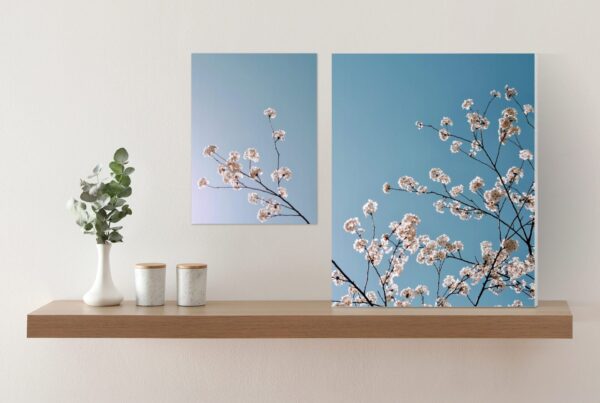
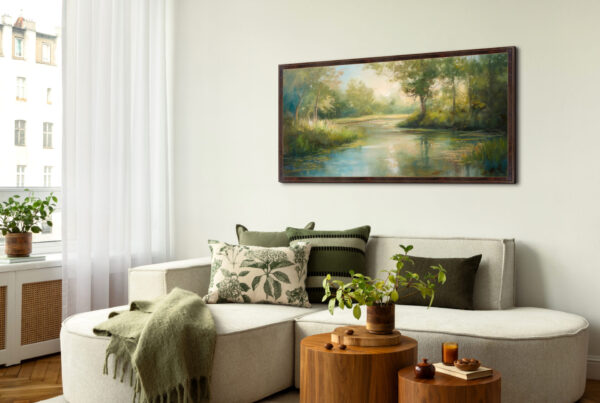
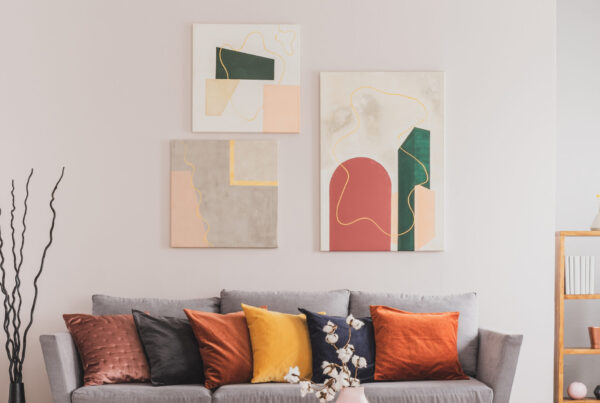
Canvas prints bridge the gap between traditional and digital art mediums. They offer digital creators a way to display their art in a traditional art gallery setting.
The textured surface of the canvas and the three-dimensional quality create a fun interplay between digital creation and tangible representation.
In this post, we will break down the reasons for choosing canvas prints for art gallery showcases and how to prepare your art for printing.
What Are Canvas Prints?
As the name implies, canvas prints are images printed directly onto canvas material. The canvas is then stretched and stapled onto a wooden frame.
There are several image wrap options for canvases. The image can extend over the edge, or you can opt for a mirrored edge or a solid color edge.
After stretching, you can hang the canvas directly on a wall or frame it to add another layer of aesthetic appeal.
At Lumaprints, we print on thick, archival-grade canvas using eco-solvent inkjet printers for greater durability and color accuracy.
Advantages of Printing Digital Art on Canvas for Art Galleries
With canvas, you can showcase your art in a whole new way, gain a wider audience, and also sell your artwork.
Here are the main benefits of choosing canvas for displaying digital art in galleries.
Durability
Canvas prints are more durable than traditional framed prints, especially for traveling shows. The protective coating makes the canvas resistant to environmental exposure. However, it will still last longer in indoor settings, away from direct sunlight exposure.
Eye-Catching
Canvas prints are stapled to a stretcher bar, which gives them a 3D look. They also have a subtle texture that makes colors stand out, giving the image a vivid, painterly look.
Since glass-framed prints can produce a glare under certain types of light, canvas can be a better option because there is no glare on this material. The image is clear and visible from all angles.
Wide Size Range
A great thing about canvas prints is that they are available in both standard and custom sizes. That means you can create in any format you wish, giving you a wider playground for composing your photographs and digital art.
Value for Money
Canvas art prints provide great value for your money, being durable, lightweight, and vivid.
What Type of Digital Artwork Is Best on Canvas?
You can print all sorts of images on canvas, and most styles will work well.
To get a better idea of what type of digital artwork looks best on canvas, here are some popular examples:
- All kinds of digital illustrations, such as concept art, character art, and landscapes
- Minimalist line art and one-line drawings
- High-resolution landscape, nature, and portrait photographs
- Vector graphics
- Digital collages made up of different photographs, illustrations, and typography
- 3D digital paintings and sculptures
- Abstract artwork
How to Turn Digital Art Into Canvas Prints
If you decide you want to turn your digital art into canvas prints, here is a step-by-step guide on how to create that type of wall art.
1. Choosing the image and size
The first step of the process is choosing the art you want to print.
Then, you need to decide on the size of the canvas. Make sure the image resolution is high enough for the size you want. Also, ensure the dots per inch (DPI) is at least 200, which is the minimum DPI we require for canvas prints.
You also need to think about the shape and orientation of the canvas and make any tweaks to the image, if necessary.
2. Deciding on edges and frames
Additionally, decide which image wrap you want. Do you want the artwork to extend over the edges? Or do you want to use another wrapping option, such as a mirror wrap or a solid border?
Another thing to think about here is whether you want to frame your canvas. If you opt for a frame, the sides of the canvas won’t be as visible, which is something to consider if you decide on an image wrap.
3. Finalizing Colors
Before printing, check if you need to correct the color. You can play with color balance settings in your editing apps to create cohesive and eye-catching artwork.
In the end, save your photos and artwork in a high-quality format, such as PNG or JPEG.
After that, the only thing you need to do is send the image to Lumaprints, choose the size of your print, and select the stretching, wrapping, and framing options that work for you.
If you plan to create multiple reproductions or sell your artwork, it may be a good idea to create a sample first. Then, make any changes you need for the output you desire.
Is Turning Digital Art Into Canvas for an Art Gallery the Best Option for You?
Transforming your digital art into canvas prints can give your work a tangible presence, making it suitable for art galleries. However, before deciding if it is the best option for your gallery display or sales, here are some questions you can consider.
What is the goal of your exhibition?
Canvas is ideal for showcasing your artwork in a professional gallery exhibition. It delivers vivid color and adds a texturized, three-dimensional quality that looks elegant and stands out on a gallery wall.
However, other print methods may be more suitable for some occasions. For example, if your concept relies on digital precision and has many small details, then other printing methods, such as metal, can provide better sharpness and a more contemporary look.
What is your budget and pricing?
Canvas printing is a cost-efficient option, but the cost may increase if you want to frame your prints or if you’re going for large sizes. For this reason, it is important to consider your budget before you make a commitment.
Additionally, this means that canvas prints may be too costly for your audience. In this case, you can combine different methods.
For example, you can showcase canvas prints on the gallery wall, while offering paper prints for sale, which gives everyone a chance to get a piece of your art.
Conclusion
Canvas brings depth, warmth, and a tangible quality to your digital works. This makes it perfect for showcasing art in a traditional gallery setting.
If you decide canvas is the medium that works best for your vision, learn more about our printing and framing options and create the ideal print that captures the essence of your art.
About the Author
Sara Popovic
Sara is a writer and illustrator who likes to dabble in web and graphic design, as well as handcrafting. She loves exploring various ways to create, present and market art.
Sara has worked on several ecommerce projects in the past, including Etsy and Fabletics. What drives her to create content in this industry is helping people build their own creative projects and turn their passion into a living.