
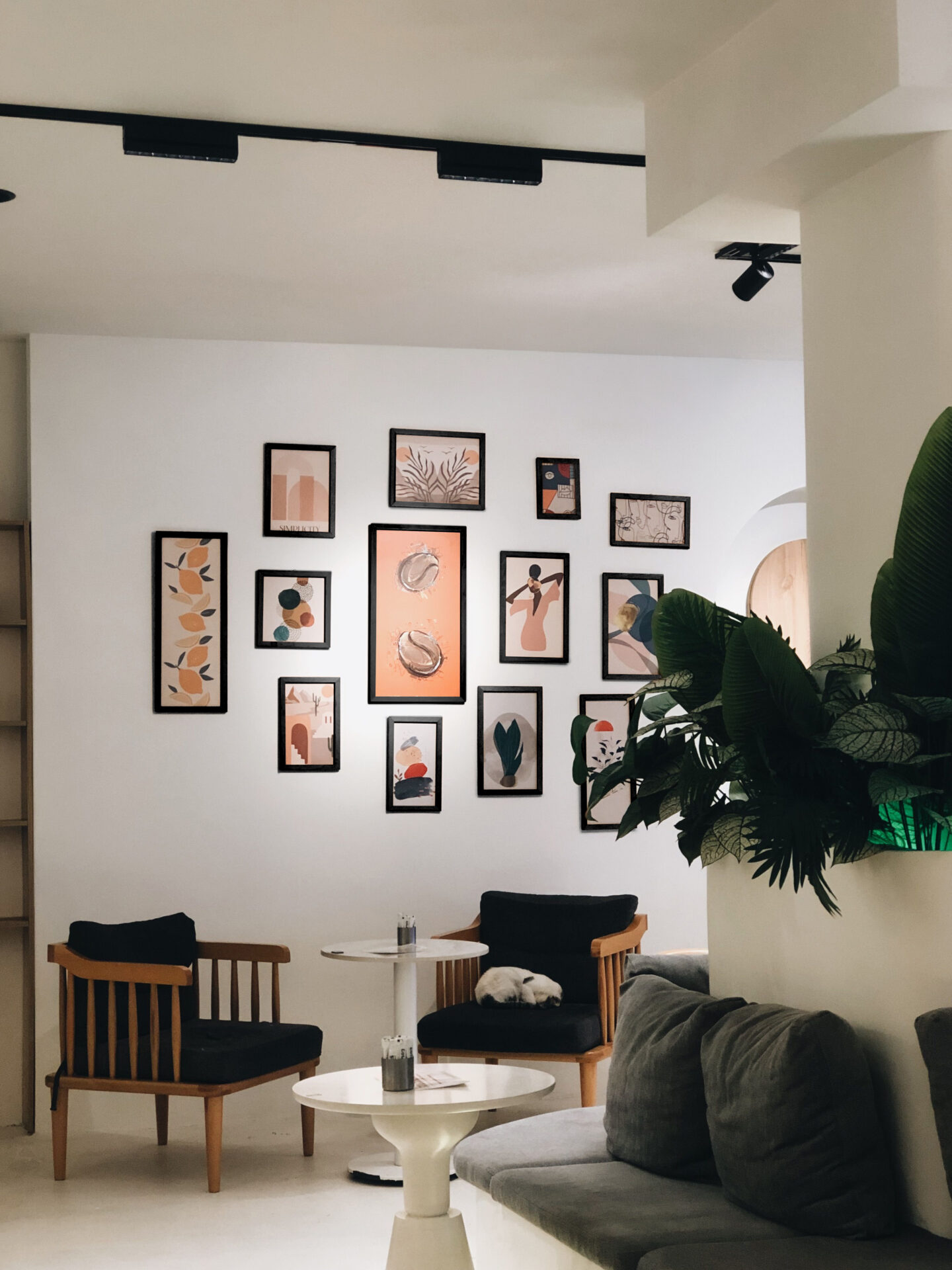
Scarcity has always influenced how people perceive value. When something is limited, it often feels more meaningful, desirable, and worth preserving. In the art world, scarcity appeals to both emotion and instinct. Collectors are not simply purchasing an image. They are investing in something that feels unique, personal, and difficult to obtain.
A limited-edition print signifies that only a specific number of copies will be produced. Once the edition sells out, no additional prints will be made. This sense of finality naturally increases desirability and often encourages stronger emotional attachment to the artwork.
The Psychology Behind Scarcity in Art
The Significance of Numbering and Signing
Print Quantity and Exclusivity
Emotional Buying: Why People Collect Art?
Choosing the Right Print Medium for Limited Editions
The Psychology Behind Scarcity in Art
From a psychological perspective, limited editions tap into several powerful motivations:
- Fear of missing out (FOMO) — the possibility of losing access to a rare piece
- Collector’s pride — the satisfaction and personal value felt from owning something exclusive
- Sentimental value — created through ownership of a numbered work
Art collecting is rarely driven by logic alone. It is emotional, personal, and often connected to identity, memories, and individual taste.
The Significance of Numbering and Signing
A numbered and signed print often carries greater meaning than an open-edition print.
Numbering confirms that the artwork belongs to a limited series, giving collectors confidence in its authenticity and rarity. A signature adds a personal connection, serving as a reminder that the work was created and approved by the artist.
Together, numbering and signing:
- Highlight trust and authenticity
- Strengthen the connection between artist and collector
- Elevate the artwork from a decorative piece to a collectible item
These small details significantly influence the perceived value, even when the art itself remains unchanged.
Print Quantity and Exclusivity
The size of an edition plays an important role in how rare and desirable a print feels.
Smaller editions often create a stronger sense of exclusivity, making them especially appealing to collectors who value rarity. Larger editions allow more people to own the artwork while still maintaining a sense of collectability.
Psychological Impact:
- Smaller editions feel more exclusive and premium
- Larger editions feel more attainable while remaining limited
Whether an edition is small or large, it reminds us to value connection, and the memories we choose to carry with us. There is no universally correct edition size. The decision depends on the artist’s goals, audience, and the story they want the artwork to tell.
Emotional Buying: Why People Collect Art?
Art purchases are rarely driven by logic alone. Most collectors buy art because it resonates with them on a personal level.
Limited-edition prints often strengthen that emotional connection by offering something beyond the image itself. They provide a sense of ownership, exclusivity, and personal significance.
Collectors often buy limited prints because:
- The artwork reflects who they are, or who they want to be
- It symbolizes a moment, memory, or phase of life
- It feels unique and difficult to replace
When scarcity is combined with emotional connection, the artwork often becomes more valuable to the collector than its physical form alone.
Choosing the Right Print Medium for Limited Editions
The type of print you choose plays an important role in how a limited edition is perceived. Each form expresses a different emotional and aesthetic meaning. We recommend using the following print format, which works best for limited editions:
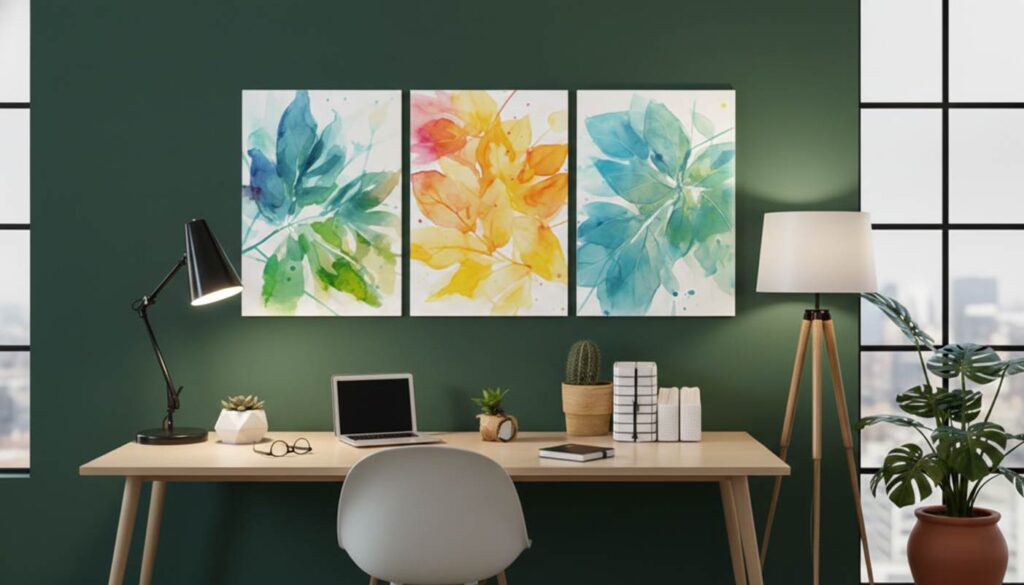
Fine Art Paper Prints
Fine art paper is a classic choice for limited editions. Its texture, weight, and archival quality emphasize craftsmanship and tradition, making it ideal for collectors who value subtlety, detail, and longevity. It is also the most economical option for collectors.
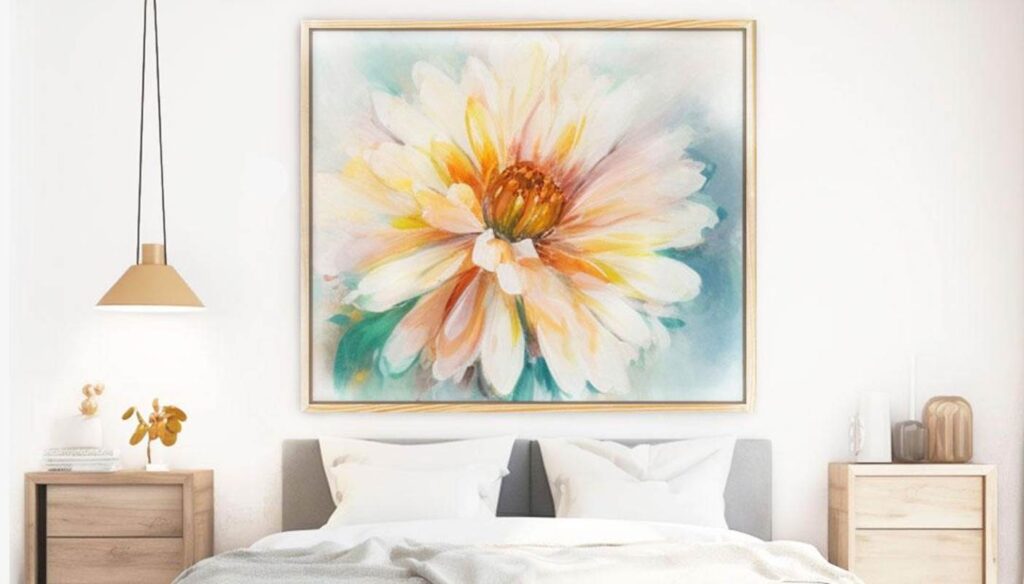
Framed Canvas Prints
Framed canvas prints highlight its distinction as a statement artwork that signifies permanence and elegance. Canvas prints offer warmth and depth, making them well-suited for expressive or painterly works. Limited editions on canvas feel immersive and dimensional, creating a pronounced emotional presence in a space.

Metal Prints
Metal prints represent boldness, lucidity, and modernity. In limited runs, they feel prominent and contemporary, appealing to collectors drawn to compelling visuals and sleek finishes.
Rarity as a Creative Choice
Limiting an edition is not simply a marketing tactic. For many artists and photographers, it is a creative decision that reflects how they want their work to be experienced and collected.
In a world where digital images can be shared endlessly, limited-edition prints establish clear boundaries. They create a sense of intention and preserve the uniqueness of the artwork.
By limiting availability, artists communicate that the piece has lasting value and deserves to be collected, displayed, and appreciated over time.
Final Thoughts
The value of limited-edition prints exists at the intersection of scarcity, emotion, and craftsmanship. By limiting availability, artists and photographers can transform their work from a decorative object into something more collectible and personal.
The printing medium also plays an important role in shaping that experience. Whether displayed on fine art paper, canvas, or metal, the right presentation can enhance both the perceived value and emotional impact of a limited edition. At Lumaprints, artists and photographers can choose from a range of professional print options to create limited-edition works that feel authentic, distinctive, and worthy of collection.
Ready to create your own limited-edition print collection? Whether you’re an artist, photographer, or collector, Lumaprints can help you choose the right print medium and finishing options for collectible-quality artwork. Get in touch with us today to get started.




How do you handle drop shipping a limited edition print?
Hi Lary, here are some examples other customers have done in the past:
– Digitally adding numbers (e.g., 1 of 10, 2 of 10, etc.) with a signature to each print file, and submitting the order to each customer with a different numbered design file each time
– Adding an additional Fine Art Paper print product to the order that has verbiage about limited edition, certificate of authenticity, etc. The premium finish of our fine art paper prints would help add to the value of the limited edition prints you would be trying to convey.
In other cases, that isn’t dropship, customers would take advantage of our bulk order discount. They order a limited amount of the prints as they would advertise and they ink the edition number themselves. From there, they either ship it directly to the customer or have it for their fairs, gallery shows, etc.
Hope this helps!