
When you’re running a print-on-demand business, one of the most important decisions you’ll make is how much to charge for the products you offer. Pricing has a huge effect on many aspects of your company; it affects your cash flow, performance relative to competitors, profit margins, and costs.
You might be intimidated by the prospect of pricing your product or service, but it’s a crucial step. Most entrepreneurs are frustrated by the challenge of determining how to price their goods or services, so this problem can cause them to postpone launching their business or taking it to the next level. So don’t let that happen to you.
While testing and launching with actual customers will yield the best pricing details, you still need to open your store with prices that are reasonable. If you don’t want to rely on just speculation, search the internet for data on how much others charge for similar goods.
If your question is how to price print on demand products, start by understanding every cost behind an order before deciding what customers will pay.
In this article, we’ll discuss print-on-demand product pricing strategies, dos and don’ts, and insider knowledge. You’ll be able to choose an approach and set final prices for your products with a better understanding of what goes into the decision. Let’s get going!
Step 1: Calculate the Cost of Your Product
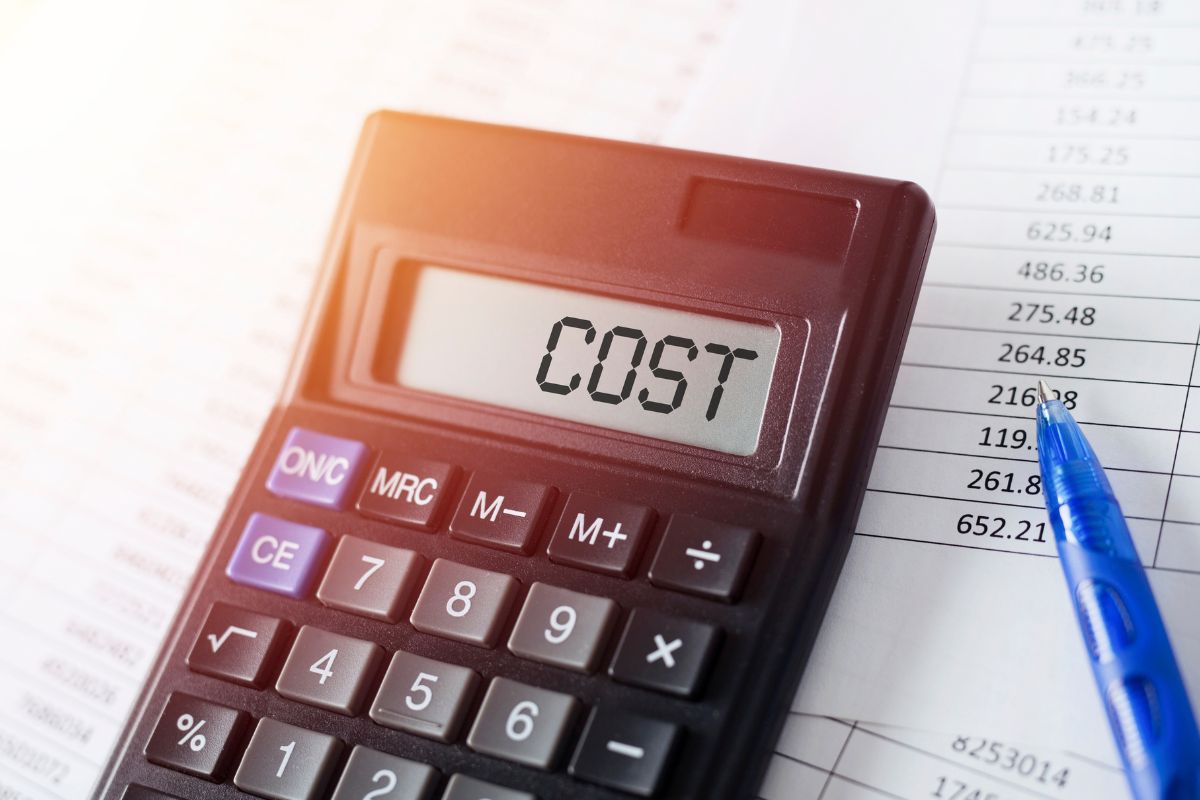
Your prices need to support and sustain your business. Just as important, they must make sense to your customers. For this reason, you need basic pricing that is both sustainable and profitable. It’s impossible to expand if your prices put you at a loss.
This is the primary reason why you absolutely must examine your business. You have to take into account every facet of your enterprise. All print-on-demand expenses, including the cost of designing and taxes, must be taken into account by business owners. There are additional costs involved as well. Let’s look at each one individually.
1. Designing Costs
Based on three factors, you may estimate the expenses of designing:
Design Fees for Each Product
One method of calculating design expenses is to charge for designs per product. You can calculate this by dividing the amount you pay the designer by the anticipated sales volume of the product. It is essential if you intend to release the design in a short amount of time and limited quantities.
Most Appropriate For: Outsourcing design work
How to Calculate: Design Cost / Number of Designs You Expect to Sell = Design Cost per Item
Calculated by Minimum Orders
Let’s imagine you chose the price for a product. Next, determine the minimum quantity you must sell in order to adjust your profit margin. Adjust the number as necessary.
Most Appropriate For: Retail products that are in season
How to Calculate: Design Cost / Profit Margin = Minimum Orders to Sell
According to the Hourly Rate
Despite the fact that there are numerous print design tools that allow you to make designs for free, it is still a good idea to estimate the cost of your own time and skills. Create a reasonable hourly rate and include it in your product pricing.
Most Appropriate For: Companies that produce their own designs
How to Calculate: Your Hourly Rate × Design Time = Design Cost
Customizable items can make the shopping experience more personal. Adding product customization as a USP may also help customers find something that better fits what they are looking for.
2. Cost of Production
Another significant component of your print-on-demand expenses is production. The next step would be the production of the orders after you have the designs. This is also an important factor when choosing your print-on-demand fulfillment provider. Do your research to get the best prices and deals on high-quality products. If you’re going to produce your own products, the cost of production comprises two components:
Costs of Printing
You must include the amount spent on printing. You must charge more for any particular kind of printing that you provide. The costs associated with supplies, equipment, materials, and other expenses are included in the basic printing costs. Consider establishing a fixed price per item for raw materials and supplies.
Costs of Software
To sell online, you will inevitably use a platform. You should consider all of these expenses, including those of payment processors and e-commerce platforms. Some platforms, such as Shopify, charge subscription fees, while payment processors and other services may also add transaction or processing costs. Make sure you understand these expenses before setting your final price. Shopify Help Center
3. Delivery
The cost of delivery is the next item, which comes after the basic idea of pricing per shipment. Offering clients shipping for a range of things at the same price is one strategy to consider. You can also calculate the shipping cost per item by dividing the supplier shipping cost by the quantity of goods you purchase.
4. Taxes
The location of your end customer affects the taxes. Sales tax in the US, VAT in European nations, GST in India and Australia, etc., are only a few examples of the various taxes that apply in different places. These charges must be accounted for in your product prices because you could be required to charge tax to your customers.
You may now calculate your print-on-demand expenses and determine how much money you’ll need to invest in order to produce a product. Let’s now examine several approaches to product pricing.
Step 2: Select a Product Pricing Plan
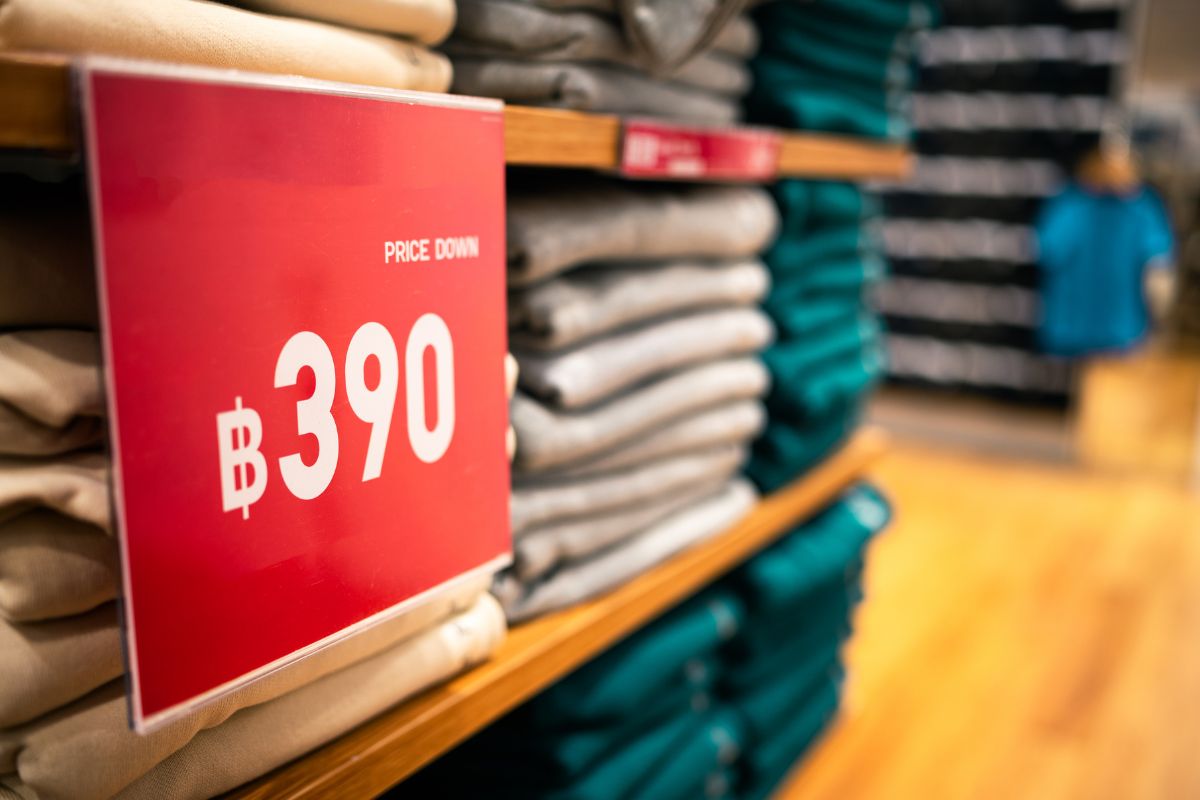
Make a game plan now that you are aware of your print-on-demand charges. Some of the best methods for product pricing are listed below:
1. Pricing Driven by Competition
To gain a general idea of the possible pricing range, begin by comparing your products with similar products on the market. There are three basic strategies you can use:
Pricing Higher Than the Average
Gain an advantage over your rivals by enhancing the buying process. Include freebies, unique messages, and other things that give customers additional value.
Pricing Consistent With the Market
A safe bet is to price similarly to the market. This can be useful if you need to reach a wide range of target consumers while still turning a profit.
Pricing Below the Average in the Market
Sell products and services of the same caliber but for a lower price. With this method, you may gain an advantage in a competitive market. Nevertheless, proceed with caution because drastically underpricing a product can reduce your profit and may affect how customers perceive its quality.
2. Anchor Pricing/Discount Pricing
In general, anchor pricing presents a higher reference price before showing the current lower price. The difference can make the current offer appear more attractive to customers.
An often-cited example is the original Apple iPad presentation. Steve Jobs discussed a possible $999 price before revealing the launch price of $499.
Similar to anchor pricing is discount pricing. The key distinction is that your store actually has a regular starting price. You set a starting price and then offer specials to attract people looking for deals. With this approach, some of your sales may come in waves, particularly around promotions.
3. Demand-Based Dynamic Pricing
You need to stay aware of current market developments in order to adopt dynamic pricing. Demand is an important factor that influences product prices. Depending on the season or market conditions, you may need to adjust rates periodically. Airlines and online marketplaces often use forms of dynamic pricing.
4. Skimming the Price
The skimming pricing method typically starts with a higher market price before gradually lowering it over time. By making more money early in a product’s life cycle, brands may take advantage of stronger initial demand. The electronics sector commonly uses this approach, with prices on older models falling as newer models arrive.
Step 3: Margin of Profit

Now that everything is set up, you have the necessary information. You should add your desired profit as the final consideration. You can experiment with different pricing tactics and adjust your earnings based on your costs, customers, and competitors.
How to determine the retail price:
Product Cost + Profit Amount = Retail Price
If you use a percentage margin, remember that margin and markup are not the same. Check the calculation before setting your final price.
See that your asking price is still within the scope of what customers are willing to pay for that item. If your pricing is twice as high as those of your rivals, you may be losing business. You should also avoid setting the profit margin too low, which would result in a cheaper price. Your profit margin should cover the additional work hours and other expenditures.
Frequently Asked Questions
How do I start pricing print-on-demand products?
Add up design, production, platform, shipping, tax, and other costs first. Then add enough profit to keep the product worthwhile.
Should I copy a competitor’s price?
No. Competitor prices are useful references, but your costs, quality, and audience may be different.
How often should I review my prices?
Review them whenever supplier costs, shipping rates, fees, taxes, or demand change.
Should shipping be included in the product price?
It can be. Compare free-shipping and separate-shipping approaches and use the option that works for your margins.
What if customers think my price is too high?
Recheck your costs, compare similar products, and make sure your product page explains the value customers receive.
Start Pricing Your Print-on-Demand Products
Knowing all the print-on-demand prices and tactics will help you choose how much to charge for your products at retail. Start working on your numbers rather than waiting for a perfect price.
Start with accurate costs, choose a pricing method that fits your market, and test your price with real customers. Review your numbers regularly instead of treating your first price as permanent.
Learn more about pricing with our webinar on how to price art prints.