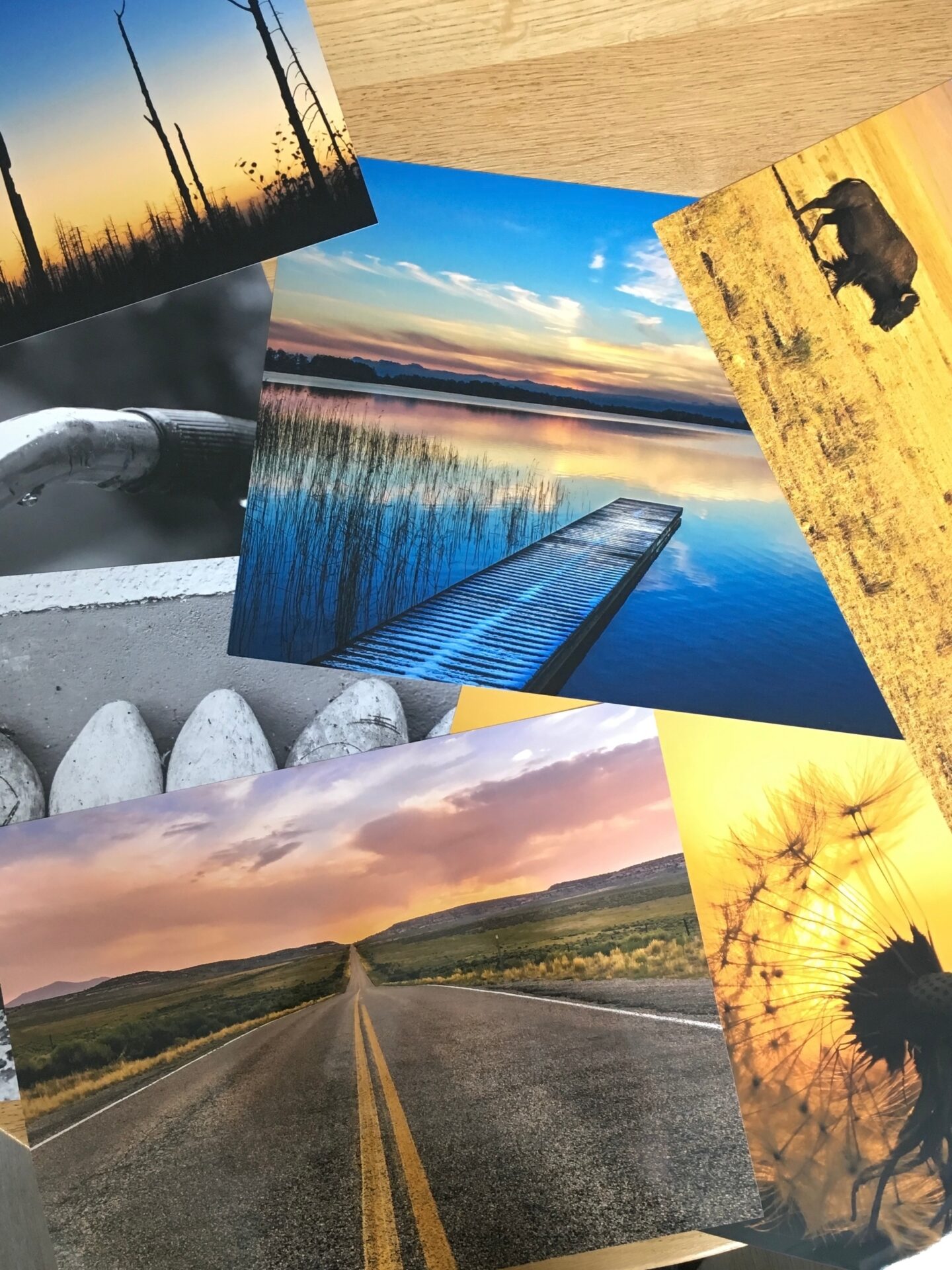
Choosing between metal and canvas comes down to the photograph, the room, and the kind of finish you want. Both can turn a digital image into finished wall art, but they create very different results.
When comparing metal photo prints vs canvas, start with the image itself. Metal has a smooth, modern surface that tends to suit bold color, sharp detail, cityscapes, architecture, and high-contrast photography. Canvas has visible texture and a softer character, which often works well for portraits, landscapes, family photos, and artwork with a more traditional feel.
What Is a Metal Photo Print?
Metal prints are made by transferring an image onto a coated aluminum sheet. The photo is first printed onto transfer paper and then applied to the metal using heat. The finished print has a smooth surface, strong color, and a rigid structure.
Metal photo prints have a contemporary appearance, and the smooth surface keeps attention on fine details.
Pros
- Metal photo prints work well for sharp, high-contrast photography and bold color.
- Their rigid surface makes them easy to display without a traditional frame.
- They are a practical choice when you want a cleaner, more modern presentation.
Cons
- Metal photo prints generally cost more than canvas prints.
- The sleek finish may not suit artwork that is meant to feel soft, traditional, or painterly.
Features of Metal Photo Prints
Sizes
Metal photo prints are available in sizes from 5×5″ to 40×60″, with standard and custom options. Before choosing a larger format, make sure the source image has enough resolution to stay sharp at the final size.
Surface Options
Glossy White
- The white base helps colors appear brighter and more familiar.
- It works well for photographs with rich color, strong contrast, and detailed subjects.
Glossy Silver
- The aluminum base influences the lighter areas of the image and gives the print a more metallic character.
- It can work especially well with black-and-white photography and images where an industrial look fits the subject.
Hanging System
Metal Easel
This option works for displaying a smaller metal print on a surface or mounting it on a wall.
Inset Frame
An inset frame keeps the artwork slightly away from the wall, giving the print a clean, floating appearance.
Stainless Steel Mounting Post
Mounting posts create a more architectural presentation.
Design Tips
Metal tends to work best when the image already has strong contrast or a clean visual structure. Night photography, cityscapes, landscapes, architecture, and macro images are good examples. Upload a high-quality JPG or PNG and check the resolution carefully if you are printing large.
What Is a Canvas Photo Print?
Canvas prints are made by printing an image onto canvas and stretching the material around wooden stretcher bars. The surface has a visible weave, so the print feels more textured than metal.
That texture can soften very fine details slightly, but it also adds warmth and depth. Canvas prints often suit portraits, landscapes, wildlife, family photography, abstract work, and painterly images.
Pros
- Canvas is usually more affordable than metal.
- The surface texture adds depth and character.
- It has a warmer, more traditional appearance.
- Canvas is lightweight and easy to hang.
Cons
- The textured surface can soften very small details.
- It may not be the best choice if you want a very sleek or highly contemporary finish.
Features of Canvas Photo Prints
Size & Finish
Canvas prints are available in a wide range of standard and custom sizes. Larger formats can work especially well for landscapes, family photographs, and statement pieces because the canvas texture adds presence without making the image feel overly sharp.
Stretching Options
0.75″ Thickness
- Slim and lightweight.
- Works well for smaller prints and gallery walls.
1.25″ Thickness
- A practical option for everyday wall display.
- Often chosen for higher-volume printing.
1.50″ Thickness
- A deeper profile that works well without an additional frame.
- Gives the piece more physical presence on the wall.
Rolled
- Comes without stretcher bars.
- Useful when you plan to stretch or frame the canvas separately.
Hanging Options
Common canvas hanging options include:
- Sawtooth hanger
- Hanging wire
- Three-point security hardware
- Black backboard with hanging wire
Design Tips
Canvas works best when the texture supports the photograph rather than fighting against it. Portraits, natural landscapes, family images, and artwork with broad areas of color often translate well. Before printing, check the crop and make sure important subjects, text, or signatures are not too close to the edge.
Differences Between Metal and Canvas Photo Prints
Metal photo prints have a cleaner, more contemporary look, while canvas prints bring visible texture and a warmer feel. Neither is automatically better; each emphasizes different qualities in the image.
Material & Finish
- Metal: Aluminum, smooth, and modern.
- Canvas: Fabric stretched over wooden bars, textured, and softer in appearance.
Durability
- Metal has a rigid surface and is generally easier to handle.
- Canvas is also designed for wall display but should be kept in suitable indoor conditions.
Light, humidity, and handling still matter, whichever material you choose.
Style & Use Cases
Metal tends to feel at home in contemporary interiors, offices, studios, and spaces with clean architectural lines. Canvas can blend naturally into living rooms, bedrooms, family spaces, and interiors where texture and warmth are already part of the décor.
Price
Canvas is generally the more budget-friendly option, especially when displayed without an additional frame. Metal usually costs more because of the material and production process, although it also arrives as a structured piece that does not require traditional framing.
Metal Photo Prints vs Canvas: Which Should You Choose?
When comparing metal photo prints vs canvas, think about what you want people to notice first. If the photograph depends on strong contrast, saturated color, architecture, night scenes, or very clean detail, metal may be the better fit. If the image is softer, more emotional, painterly, or built around portraits and natural scenery, canvas may feel more appropriate.
Also think about where the artwork will hang. Metal can suit a modern office or minimalist interior, while canvas often feels comfortable in bedrooms and living spaces. The room can help narrow the choice, but the photograph should still lead the decision.
If you are printing work to sell, you do not have to use one medium for your entire collection. Some images may belong on metal while others work better on canvas. Choosing the material around the artwork can make the finished collection feel more intentional.
Choose the Print That Fits the Photograph
Metal and canvas can both produce strong wall art, but they create different experiences. Metal gives photography a cleaner, sharper, more contemporary feel, while canvas adds texture and warmth.
Start with the photograph, then think about the room, size, budget, and presentation. Once you know which quality you want to preserve such as sharp detail, bold color, texture, softness, or warmth, then the decision becomes much easier.
Still deciding? Compare Lumaprints’ canvas prints with metal photo prints using your own image as the guide, and choose the surface that brings out the character you want people to notice when the photograph reaches the wall.