
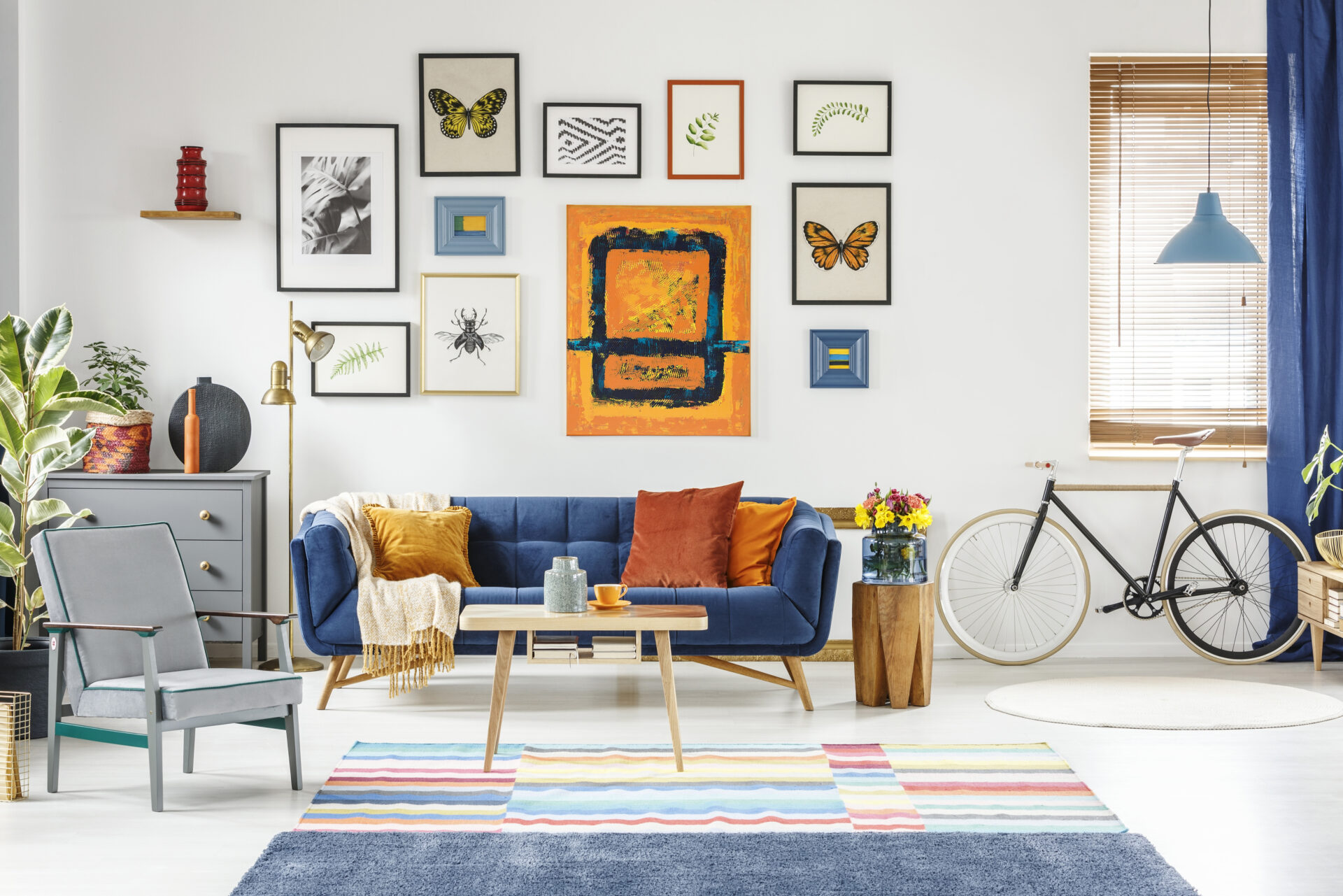
Choosing a print medium is one of those decisions that seems simple until you actually start comparing the options. The same photograph or illustration can feel completely different on canvas, fine art paper, or metal. Texture changes. Colors can feel different. Even the way the finished piece fits into a room can change.
That is why it helps to look beyond the image itself.|
When comparing the different types of art prints, think about what you want the finished piece to feel like. Do you want something soft and traditional? Clean and modern? Framed and ready to hang? Or something more flexible that can be changed without much effort?
There is no single medium that works best for every piece of artwork. The better choice is the one that suits the image, the space, and the way you want the work to be seen.
Canvas Prints
Canvas prints are a good place to start if you want the artwork to have some visible texture rather than a completely smooth surface.
They work especially well with landscapes, portraits, painterly images, and photographs that have a softer or warmer character. Because canvas has its own texture, very tiny details may not feel quite as crisp as they would on paper, but that is often part of the appeal.
Canvas also works well at larger sizes. A large landscape above a sofa, for example, can feel more like a finished piece of wall art than an enlarged photograph.
Another advantage is that canvas does not always need an additional frame. If you like a simple gallery-style presentation, it can stand on its own.
Framed Canvas Prints
A framed canvas has a little more presence.
The artwork still has the texture of canvas, but the frame creates a clear visual edge around it. That can make the piece feel more finished, particularly in a living room, office, entryway, or anywhere you want the artwork to have a stronger presentation.
Frame choice matters more than people sometimes expect.
A natural wood finish can work nicely with landscapes, botanical images, and warm-toned photography. Black creates more contrast and often suits contemporary work. A lighter frame can keep the overall look softer.
If the artwork already has a lot going on, it is usually better to keep the frame fairly simple. The frame should support the image, not become the first thing you notice.
Fine Art Paper Prints
Fine art paper prints make sense when detail is important.
Photography, illustration, line work, digital art, and pieces with subtle tonal changes can benefit from a paper surface because the image itself remains the main focus.
Paper also gives you more freedom after printing. You can choose your own frame, add a mat, change the presentation later, or sell the print unframed and let the buyer decide how they want to display it.
That flexibility is useful for artists who sell collections or offer several sizes.
Among the different types of art prints, paper is one of the easier options to adapt to different interiors because the final look depends on how it is framed.
If you are creating a gallery wall, paper prints are also easy to mix and match without making the wall feel too heavy.
Framed Fine Art Paper Prints
A framed fine art paper print removes some of the decision-making for the person buying the artwork.
Instead of receiving a loose print and finding a frame later, the piece arrives with a more complete presentation.
This works particularly well for photography, illustrations, typography, or artwork where you want to keep fine detail visible while still giving the piece a polished look.
The frame can also create breathing room around the image. For artwork with a lot of color or detail, that little bit of visual separation can make a noticeable difference.
For neutral interiors, black and white frames are usually easy to work with. Natural wood can be a better fit when you want something warmer.
Foam-Mounted Paper Prints
Foam-mounted prints sit somewhere between a loose paper print and a traditionally framed piece.
The artwork is mounted to a lightweight backing, giving it more structure and making it easier to handle. That can be useful for exhibitions, offices, studios, temporary displays, or spaces where artwork gets changed more often.
It is also a practical option for bold graphics, posters, photography, or pieces where you want a cleaner edge without introducing a heavy frame.
If you are moving artwork frequently, foam mounting can be easier to manage than glass-framed work.
You can consider it when presentation matters, but do not necessarily want the formality of traditional framing.
Metal Prints
Metal gives artwork a completely different personality.
It tends to suit photographs and digital artwork with strong contrast, bold color, sharp detail, or dramatic lighting. Cityscapes, architecture, night photography, travel images, and colorful landscapes are good examples.
Compared with canvas, metal feels cleaner and more contemporary. There is no fabric texture competing with the image, so the overall look can feel sharper.
That does not mean every photograph will automatically look better on metal.
A soft portrait or muted watercolor-style image, for example, may feel more natural on paper or canvas. The medium should fit the character of the artwork.
Metal is worth considering when you want the finished piece to feel modern and visually strong.
Peel-and-Stick Prints
Peel-and-stick prints are less traditional, but that is exactly why they can be useful.
They make sense for people who like changing their space, creating temporary displays, or experimenting with artwork without committing to a framed piece.
Think about home offices, creative studios, dorm rooms, seasonal displays, children’s spaces, or walls where the décor changes fairly often.
This format can also work well for larger designs that are meant to feel like part of the wall rather than a separate framed object.
If permanence is not the goal, peel-and-stick gives you another way to bring artwork into a space.
Think About the Artwork Before the Material
It is easy to start by asking, “What is the best print medium?”
A more useful question is, “What does this particular image need?”
Look at the artwork itself.
Is there a lot of fine detail? Paper may be worth considering.
Does the image have a painterly or warm quality? Canvas might suit it better.
Is the photograph bold, colorful, and modern? Metal could make more sense.
Do you want something already framed and easy to display? A framed option may save you an extra step.
Choosing the right art print material becomes much easier once you stop treating every image the same way.
Consider Where the Artwork Will Be Displayed
The room matters too.
A large canvas can work beautifully as the main piece above a sofa or bed. A framed paper print may be better suited to a hallway, office, or gallery wall. Metal can bring contrast into a modern interior, while natural frames often sit comfortably in warmer, more relaxed spaces.
Also think about viewing distance.
Artwork hanging across a large room does not rely on tiny details in the same way a smaller print viewed from a few feet away does. Size and medium should work together.
If you are selling your artwork rather than printing it for yourself, think about your buyer as well. Offering a few carefully chosen formats can sometimes be more helpful than giving customers every possible option.
Too many choices can make a simple purchase harder than it needs to be.
Choose the Medium That Lets the Artwork Speak
The print medium should never feel like an afterthought, but it does not need to overpower the artwork either.
Start with what you want people to notice about the image. If detail matters most, look at paper. If texture adds to the piece, canvas may be a better fit. If you want a sharper, more contemporary presentation, consider metal. And if the artwork is meant to arrive ready for the wall, a framed option can make sense.
You also do not have to use the same medium for your entire portfolio. A photograph that looks great on metal may have nothing in common with an illustration that belongs on fine art paper.
The goal is simply to make the print choice feel intentional.
Ready to see how your artwork works beyond the screen? Explore Lumaprints’ print options, compare the materials that fit your image best, and choose the format that gives your work the presentation it deserves.




Can you print on arches matted paper?
Hi Steven, thank you for the suggestion. We don’t currently have that branded paper in our offerings, but we’re always open to receiving suggestions. We’ll share this with the management team internally for future product consideration.