When selecting a print type, it is important to consider how your image will look and feel in that medium. The options are endless, from paper to canvas to metal and acrylic.
Some images and art styles are better suited for a specific print type. Some pictures stand out better on acrylic photo prints, while several artworks are better represented through canvas.
If you are an artist looking for a suitable medium for your art or a professional photographer interested in the differences between these print types, this article will help you. Since there are several options, we decided to compare two of them: canvas prints and acrylic prints. This acrylic vs canvas print comparison will help you look at the main differences before deciding which one suits your image and space.
How It’s Made: Acrylic Prints

Acrylic prints are usually made in two ways: one is direct printing on acrylic, and the other is printing on high-quality archival or photo paper which is then face-mounted on plexiglass.
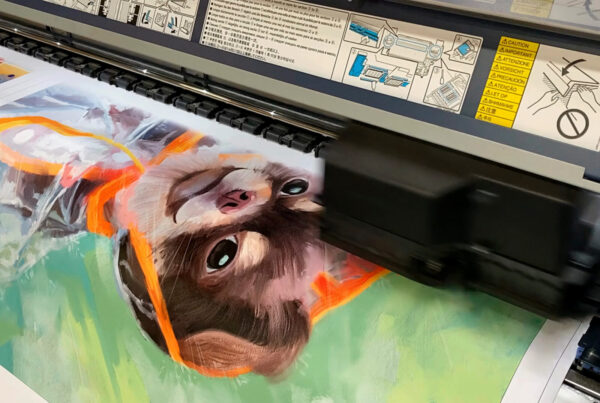
The first one is called direct-print, in which an image is directly printed on an acrylic sheet, then covered with a sealant to protect against heat and specks of dust. This method involves fewer steps than face mounting, making it relatively cheaper and faster to reproduce.
The second method, known as face-mounted acrylic prints, has a more labor-intensive process. It involves printing the image on paper – be it photographic or archival – before reverse mounting it to the plexiglass (ranging from ⅛ of an inch to ¼). A backing is then added to keep the finished product sturdy and protected. Both are vibrant and evocative with a smooth appearance. Face-mounted ones are more expensive, but they offer a more polished look than direct prints. One downside is that they are better placed in a location without harsh lights, as the acrylic or plexiglass might produce reflections that will ruin the presentation of the image.
How it’s made: Canvas Prints

Canvas printing has been around for ages, but new technology has improved the image production process. The image is printed on canvas and then stretched or rolled. The process typically involves using specialized inkjet printers, also called giclee (the French word for “to spray or squirt”). This gives the print a more textured, old-fashioned appeal that many prefer.
Canvas prints are relatively lightweight and affordable, as they are made from easy-to-source materials and are straightforward to create.
Canvas vs. Acrylic: An In-Depth Look
When considering a canvas print vs acrylic print, it helps to compare the practical differences as well as the overall appearance.
Durability
Both print types are durable and have a protective layer against minor scratches. However, acrylic prints have an extra layer of plexiglass that protects the ink and creates a sturdier overall structure than canvas material. The acrylic seals the whole image, making it more durable against fading and moisture. The plexiglass also serves as UV protection to combat harsh rays against the sun. In contrast, canvas prints have a coating. With this, the vibrant colors of acrylic prints, direct or face-mounted ones, can last longer than most canvas prints.
Although acrylic or plexiglass is shatter resistant, its sides and corners can still chip or break off. Canvas prints are lighter, and sides won’t be damaged easily once dropped, but preventive measures are still advised when handling such materials.
These are things to consider depending on how frequently you clean and maintain your decor or how you want to handle your prints when moving or redecorating.
Light can also affect displayed artwork over time. The Smithsonian Museum Conservation Institute recommends protecting artwork from ultraviolet light to help reduce fading.
Appearance
Your choice of decor can depend on the overall look you want to achieve, as well as your own personal preferences.
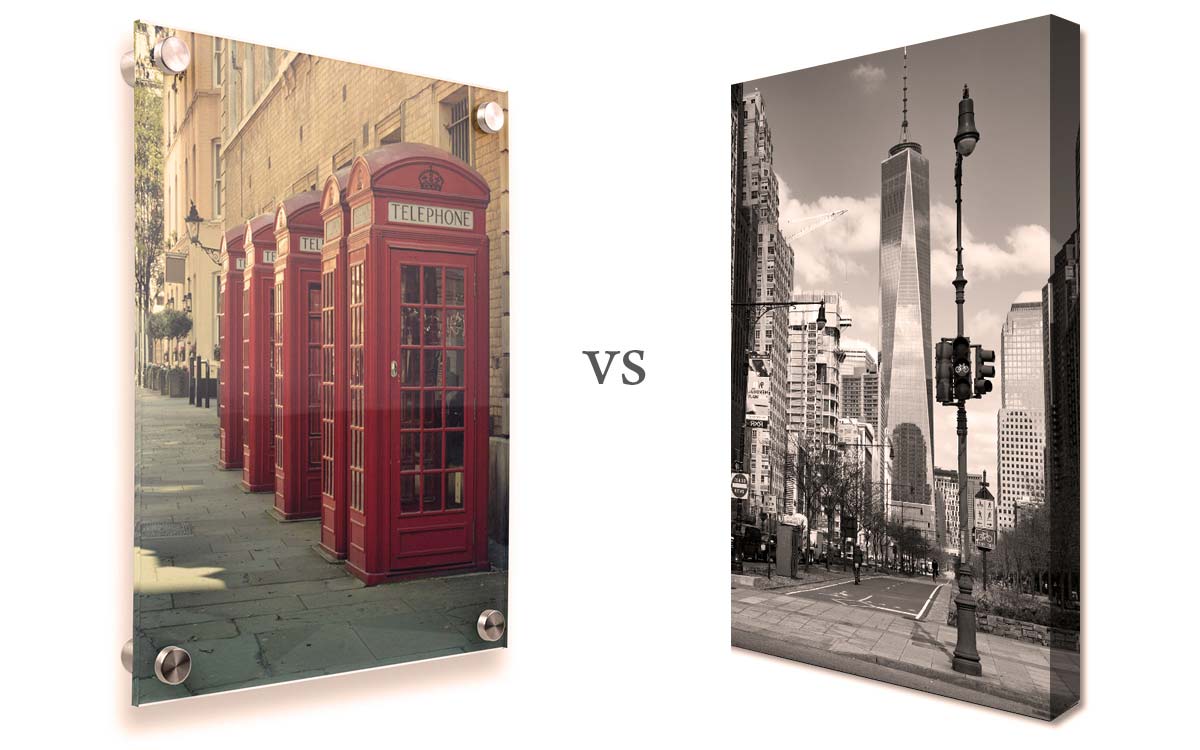
If you prefer a dynamic and aggressive style in your home, acrylic prints might be ideal for you as their rivets on the corners can make them more noticeable than other types of frames. Additionally, their smooth surface, furnished sides, and pop of colors that acrylic prints give off can seem attractive to those who like to be the center of attention. Moreover, they give off contemporary vibes which can make the surroundings feel more modern if chosen well. If this sleek and vibrant decor is what you’re looking for, it would be an excellent addition to your collection.
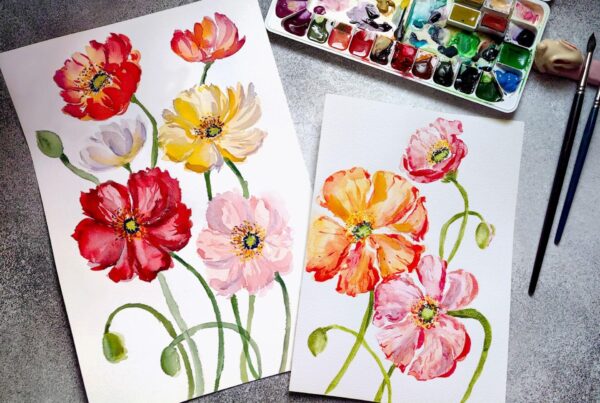
If you are looking for homey decor with an artsy touch, canvas prints may be the perfect choice for you. They give a softer yet elegant look and have a textured surface that provides more character to the image. Furthermore, canvas prints are timeless and classic decor and can be placed in almost any space. The old-fashioned look gives off a 3D appeal, making the image feel more lifelike. Canvas prints are sometimes preferred especially by artists since this print type can look like handmade oil paintings.
For appearance alone, the acrylic print vs canvas print choice usually comes down to whether you prefer a smooth modern finish or a softer textured look.
Transportability
Canvas prints are relatively lighter than acrylic ones, making them more suitable for moving and transporting. Although their protective layer is on the thinner side, canvas prints would probably win against acrylic ones in terms of transportability since the scratches on plexiglass can be much more visible. Additionally, acrylic’s heavy and fragile nature makes it harder to pack and move from one place to another.
Cost and Value
Acrylic prints, with their solid structure and resilient materials, are usually pricier than canvas ones. But if you’re on a budget and still want to add character to your home, consider buying canvas prints. They cost half as much as acrylic ones but provide excellent value for your money.
Frequently Asked Questions
Which is better, acrylic or canvas?
It depends on your preferred look. Acrylic is smooth and vibrant, while canvas has a softer and more traditional appearance.
Are canvas prints lighter?
Yes. Canvas prints are generally lighter and easier to move than acrylic prints.
Which works better for photography?
Acrylic can emphasize sharp details and bright colors, while canvas can give photographs a more artistic feel.
Does acrylic have more glare?
Yes. Acrylic can reflect strong lighting or nearby windows more noticeably than canvas.
Which option is usually more affordable?
Canvas is generally the more budget-friendly choice, especially if you are ordering larger artwork.
Choose the Print That Fits Your Space
There is no one-size-fits-all answer when comparing acrylic vs canvas print options. Think about the image, room lighting, finish, weight, and budget before choosing.
If you prefer the textured, lightweight look of canvas, explore Lumaprints’ custom canvas prints and find a size that works well with your artwork or photography.