Print on demand continues to give artists a practical way to sell their work without producing large amounts of inventory upfront. At the same time, more creators, stores, and platforms are competing for the same customers, so simply uploading artwork and waiting for orders is becoming less effective.
The print on demand trends 2026 point toward more personalized products, smarter automation, stronger ecommerce experiences, and continued interest in home décor. For artists, the useful takeaway is not to chase every new idea. It is to figure out which changes actually fit your work, your audience, and the way you want to run your store.
This article updates ideas originally discussed in our 2025 webinar and looks at how those themes continue to matter for artists selling print-on-demand products in 2026.
A Growing Industry—With Growing Competition
Print on demand is no longer a small corner of ecommerce. More artists, photographers, designers, and online sellers are using made-to-order production to test products and sell without keeping large amounts of finished inventory.
That growth creates opportunity, but it also means customers have more choices.
For artists, standing out is becoming less about having the largest catalog and more about having a recognizable style, clear product presentation, and a store that feels intentional. Buyers should be able to understand what makes your work different within a few moments of arriving on the page.
Using print-on-demand fulfillment can take much of the production and shipping work off your plate, but the creative direction, customer experience, and marketing still need your attention.
Rather than uploading dozens of unrelated designs, it may be more useful to build smaller collections around subjects or styles your audience already responds to.
Personalization and Automation: A Powerful Combo
Personalization remains one of the more useful directions within the print on demand trends 2026.
Customers may be looking for artwork connected to a pet, family, location, memory, hobby, or room in their home. A product feels more personal when the buyer can see some connection between the artwork and their own life.
Automation can make that easier to manage as a store grows.
Email segmentation, product recommendations, abandoned-cart reminders, and customer behavior data can help sellers communicate with people based on what they are actually interested in.
The important part is not to automate everything.
A customer who has repeatedly looked at landscape prints may appreciate recommendations for similar work. Sending that same person a generic promotion for an unrelated product simply because it is new does not feel particularly personal.
Use automation to remove repetitive work while keeping enough human judgment to make the communication useful.
Why Sustainability Matters
Print on demand has one practical advantage over producing large amounts of inventory in advance: products are generally made after someone orders them.
That can help reduce the risk of unsold stock.
Still, it is better not to describe every print-on-demand business as automatically sustainable. The materials used, packaging, shipping distance, production process, and returns all affect the environmental impact of an order.
If sustainability is important to your customers, focus on the things you can actually explain and support.
Specific information is more useful than broad claims such as “eco-friendly” when there is nothing behind them.
Niches Worth Watching in 2026
Finding a niche can still help artists compete, but there is a difference between choosing a niche and chasing whatever happens to be trending this week.
Personalized pet artwork remains a natural fit for custom printing because customers already have an emotional connection with the subject. Family and location-based pieces can work for the same reason.
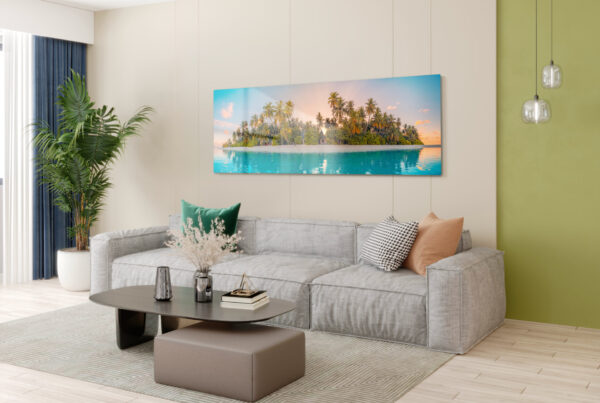
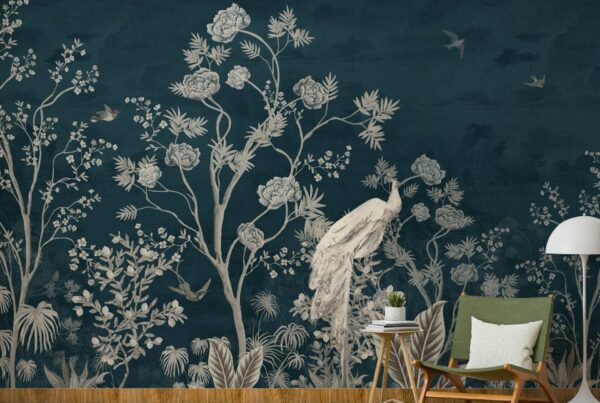
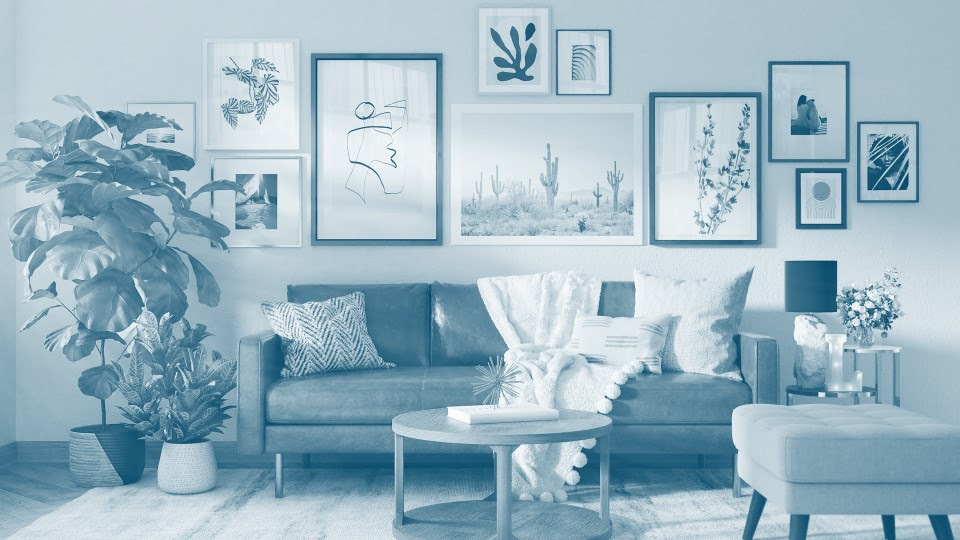
Home décor is another area worth watching because artwork is often purchased around a particular room, color palette, or decorating style.
Other possibilities include:
- Nature and botanical artwork
- Travel and location-inspired prints
- Personalized family pieces
- Photography
- Typography and quote-based designs
- Kitchen and food-themed art
- Music-inspired artwork
- Artwork designed around specific interior styles
The niche itself is only part of the work.
Spend some time looking at what customers in that niche actually care about. Someone buying pet artwork may respond differently from someone shopping for minimalist photography for an office.
Understanding that difference can influence the artwork, product description, mockups, and even the print format you offer.
Be Human. Be Authentic.
As more content can be created and published quickly, showing some of the person behind the artwork can help your store feel less interchangeable.
You do not have to share every part of your life.
A sketch, work-in-progress photo, studio clip, or short explanation of why you created a piece can be enough. These details give customers something they cannot get from a generic product listing.
Product descriptions can also help.
Instead of filling every page with phrases such as “stunning wall décor” or “perfect for every space,” explain something specific. Tell people what inspired the artwork, what kind of room it may suit, or what detail you particularly like about the finished piece.
Specific writing tends to feel more personal because it could not have been copied onto any other product.
Social Media: Choose the Channels That Fit Your Work
Artists do not need to be active everywhere.
Instagram remains useful for finished artwork, short videos, studio content, and customer photos. TikTok can work well for artists who enjoy showing the process behind their work, while Facebook may still be useful for communities built around particular hobbies or interests.
Pinterest is especially relevant to wall art because people often use it while planning rooms, collecting decorating ideas, or saving products for later.
The best platform is partly the one you will actually continue using.
Instead of creating completely different content for every network, repurpose when it makes sense. A short studio video can become a Reel, a TikTok, part of an email, or inspiration for a Pinterest Pin.
That saves time without requiring you to disappear from every platform except one.
Adapting to Algorithm Changes
Social platforms change constantly, and reach can move up or down even when you have not done anything differently.
That can be frustrating, but it is also a reason not to build your entire business around one platform.
When reach changes, look beyond likes and impressions. Are people still clicking through to your store? Are they saving your work, joining your email list, or making purchases?
Those actions may tell you more than views alone.
Keep using content that has worked for you, but leave some room to test something new. Try a different room mockup, video style, product format, or subject and see how people respond.
You do not need to change half your store every time an algorithm shifts.
What Print on Demand Trends 2026 Mean for Artists
The most useful trends are the ones that help you make a better decision about your own business.
Personalization may make sense if your artwork naturally lends itself to customization. Automation may be valuable if you are spending too much time on repetitive marketing or order tasks. A new home décor format could be worth testing if customers are already asking for different ways to display your work.
You do not need to follow all of these directions at once.
Pick one area that seems worth improving, make a small change, and watch what happens. If customers respond well, build on it. If they do not, you have learned something without completely changing your store.
That kind of gradual experimentation is usually more useful than trying to predict every trend before it happens.
Build Around What Fits Your Art
The print on demand trends 2026 show an industry that is becoming more flexible, personalized, and competitive. Technology can make production and marketing easier, but it cannot decide what your artwork should be or why someone should care about it.
Keep your creative identity clear. Pay attention to what customers respond to, use automation where it actually saves time, and test new products or niches without abandoning everything that already works.
A trend can bring attention to an opportunity. What you do with that opportunity is still what separates your store from everyone else’s.
Want to revisit the discussion that helped shape these ideas? Watch Print-on-Demand Industry Trends for 2025 for the original Lumaprints webinar on personalization, automation, niches, social media, and growing a print-on-demand business.
For more artist and print-on-demand resources, visit the Lumaprints YouTube channel.
Frequently Asked Questions
What are the main print on demand trends in 2026?
Personalization, smarter automation, niche-focused products, home décor, and stronger ecommerce experiences are important areas for artists to watch.
Is print on demand still worth considering in 2026?
It can be, especially for artists who want to sell products without producing large quantities of inventory before knowing what customers will buy.
What print-on-demand niches should artists consider?
Look at niches connected naturally to your work, such as pets, travel, nature, family, photography, typography, or particular home décor styles.
Do artists need to follow every print-on-demand trend?
No. Choose trends that make sense for your artwork, customers, and business instead of changing direction every time something becomes popular.
How can artists stay competitive in print on demand?
Develop a recognizable style, present products clearly, learn what customers respond to, and test new ideas gradually rather than trying to compete on quantity alone.