
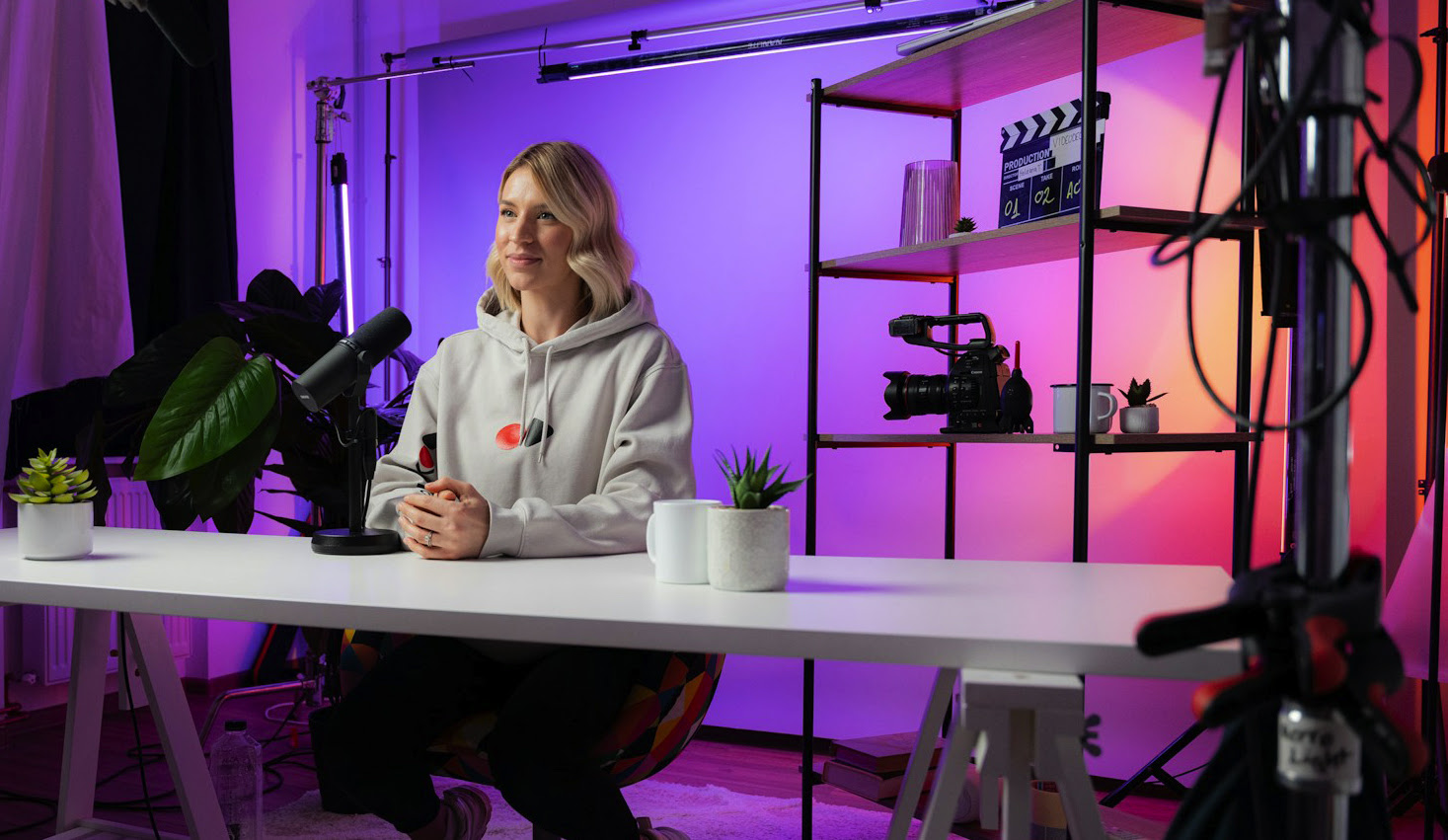
Welcome to our 33rd webinar! This time, we’re looking at how influencer marketing can help print-on-demand sellers reach people outside their usual audience. For artists selling wall art, canvas prints, or fine art paper, a practical influencer marketing strategy can introduce your work to shoppers who already follow creators for art, home decor, photography, or interior inspiration.
For sellers using print-on-demand fulfillment, influencer partnerships can also show artwork in a real setting, helping shoppers picture it in their own space.
Watch the webinar here: Leveraging Influencer Marketing for Print-on-Demand Success – Lumaprints Learning Series 33.
If you prefer reading, continue below or jump to the section you need.
Why Influencer Marketing?
Promoting your own store on Instagram, YouTube, or other platforms takes time. Influencer marketing gives you another way to reach people who may not know your brand yet.
For ecommerce influencer marketing, audience fit matters more than follower count alone. A smaller creator who regularly talks about interiors, art, photography, or home styling may be more useful than a much larger account with an unrelated audience. The partnership works better when the product already fits the audience.
Choosing the Right Influencer
Do not choose a creator based only on follower count. Look through recent posts, comments, and sponsored content. See whether people are actually paying attention and whether the creator’s style fits your products.
For wall art, creators who share room makeovers, studio spaces, photography, or home decor can be a natural fit.
Influencer collaborations can be paid a flat fee, commission, free product, or a combination of these. What works depends on who is creating and what the campaign is.
You need to agree on the content, when to post, the payment, and whether you can reuse the photos or videos before the campaign begins. It’s easier to sort out clear expectations early.
Measuring Success
Likes and comments are useful, but they do not show the whole picture. Find out what the people do next. Did they visit your store? Click a product? Place an order?
You can use Google Analytics, unique links, platform insights, and discount codes. Awareness may be the most critical for reach. For sales, conversions and revenue are more important.
Addressing Concerns
Letting someone else represent your brand can be uncomfortable. Communication is easier.
Discuss what the creator shouldn’t be claiming, agree on deadlines, and share accurate product details. The FTC’s guidance for social media influencers also explains that paid relationships and free products should be clearly disclosed.
Give the creator enough direction to represent the product correctly, but let their own voice come through.
Looking Ahead
Influencer marketing gets better with experience. Try different creators and formats, then look at what brings useful traffic or sales.
An unboxing may work for one audience, while a styled room photo works better for another. Over time, your influencer marketing strategy should become less about guessing and more about repeating what has worked.
You can also connect those lessons with your customer engagement strategies as new visitors begin interacting with your store.
Join the Conversation
You do not need to start with a large campaign. Choose a creator whose audience fits your artwork, agree on a simple idea, and learn from the response.
For wall art sellers, the strongest partnerships often feel natural because the product fits the creator’s normal content.
If you are building your print-on-demand art business, contact Lumaprints to learn more about printing and fulfillment options.
Watch the full webinar here: Leveraging Influencer Marketing for Print-on-Demand Success – Lumaprints Learning Series 33.
All previous and upcoming webinar videos are available on the Lumaprints YouTube Channel.
Frequently Asked Questions
What is an influencer marketing strategy?
It is a plan for choosing creators, setting a campaign goal, managing the partnership, and measuring the results.
Do I need to work with large influencers?
No. Smaller creators with the right audience can be a better fit than a larger account that has no relation to your product.
How can I track influencer sales?
Use unique links, discount codes, e-commerce analytics, or platform reporting to track visits and purchases.
Should I send influencers free products?
You can, but make sure both sides understand whether the product is a gift or part of the compensation.
What should influencers disclose?
Influencers should clearly disclose paid relationships or free products so their audience understands the connection with the brand.




